Humanities Symposium Taps Into Art, Environment, Preservation and More
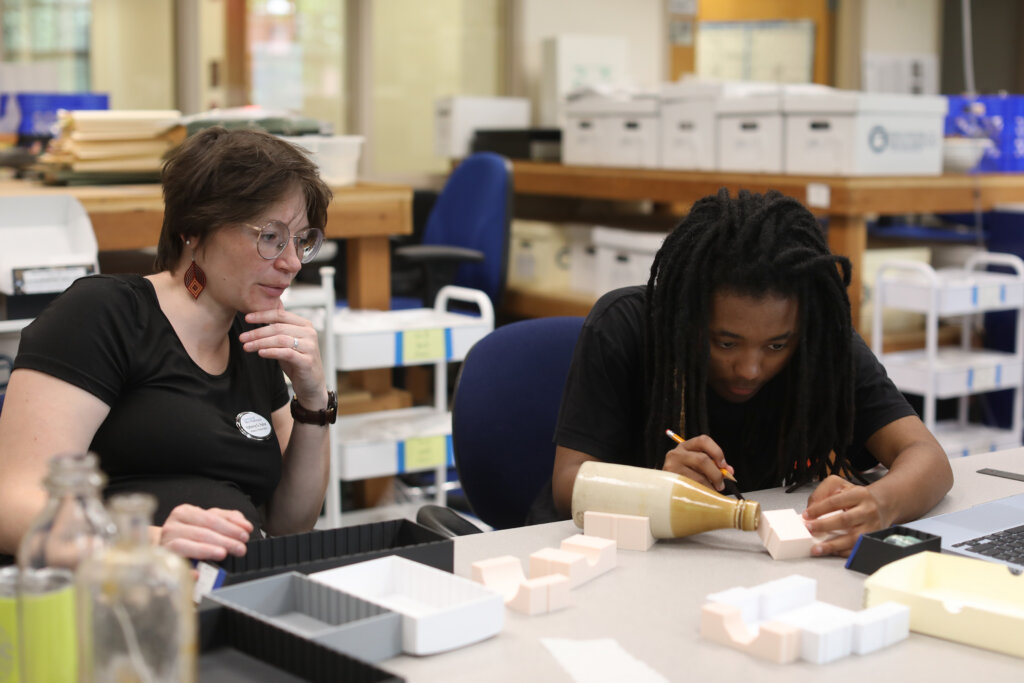
The green-tinted bottle may have held mustard in the Civil War era, but its eight flattish sides gave University of Mary Washington junior Kai Bryant a brand new idea.
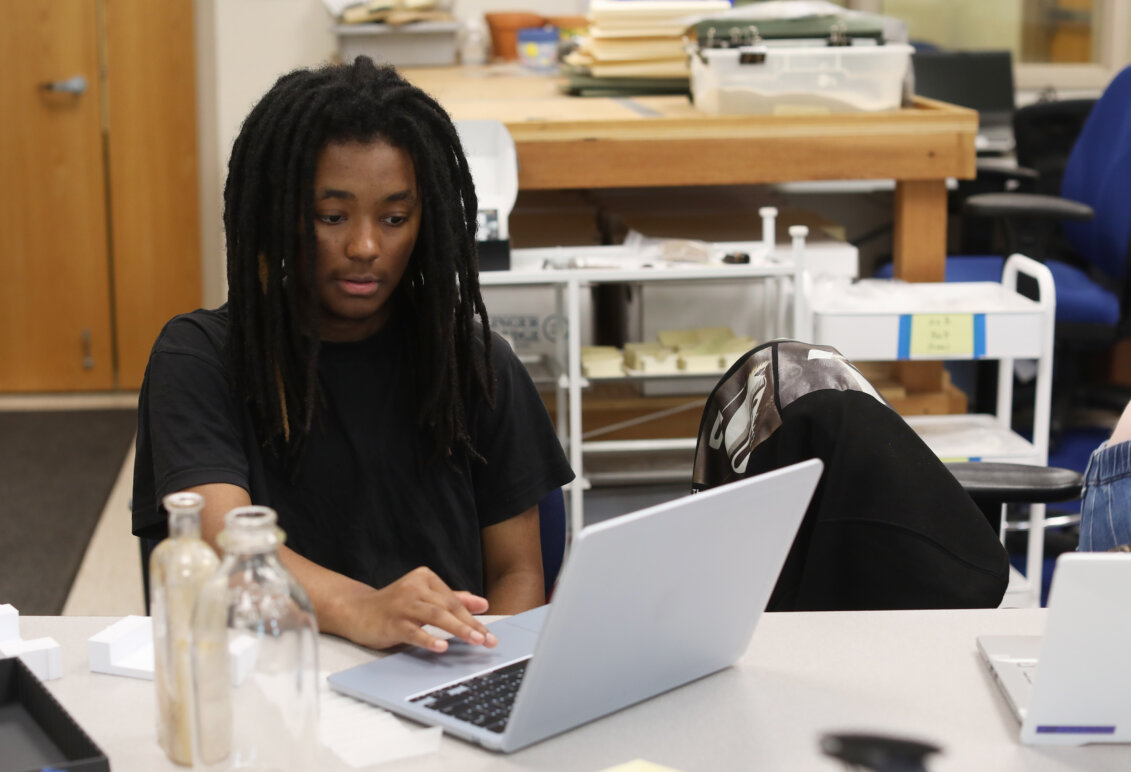
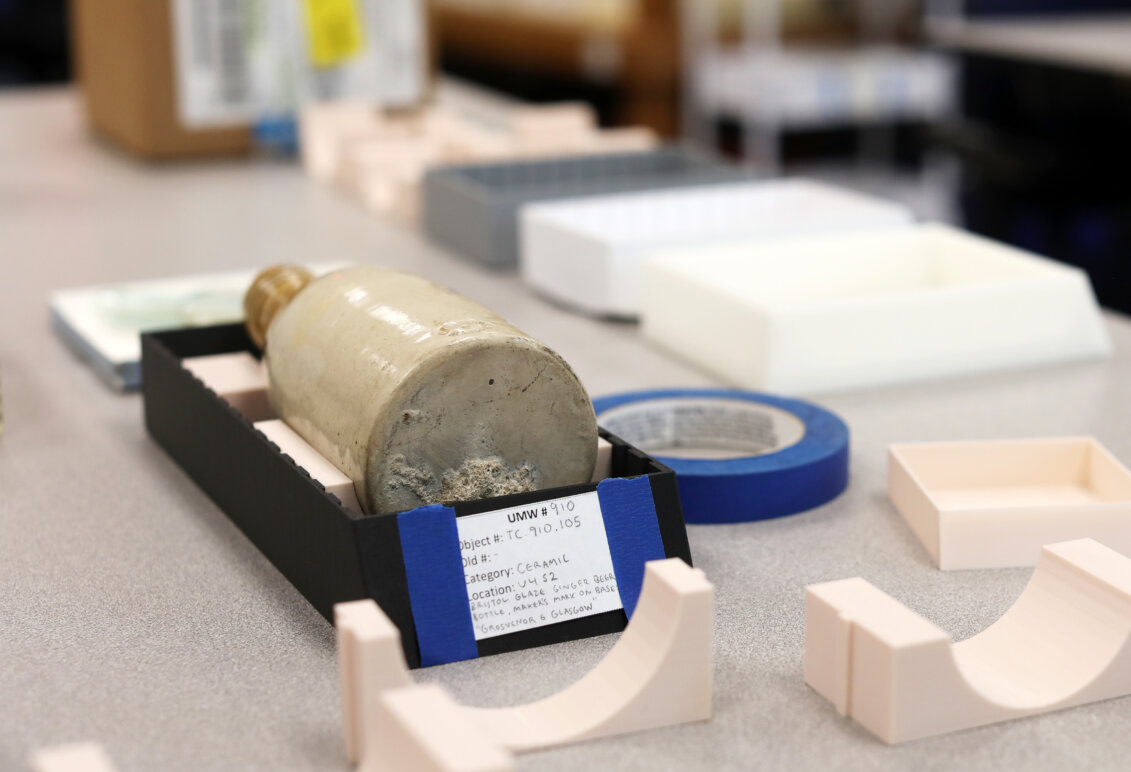
“I wanted to prove it could be fully customizable,” Bryant said of a summer project creating archival storage boxes with UMW senior Lily Hollar. With guidance from Assistant Professor of Historic Preservation Katherine Parker, they used a 3D printer to crank out containers for storing delicate artifacts like the octagonal vessel currently housed in Combs Hall.
The work was part of this year’s Arts, Humanities and Social Sciences Summer Institute (AHSSSI), which pairs students and professors for five weeks of scholarly study. The résumé- and career-building offering – which comes with a paycheck, plus food and housing for participants – strengthens skills in critical thinking, data literacy, website design, public speaking and more.
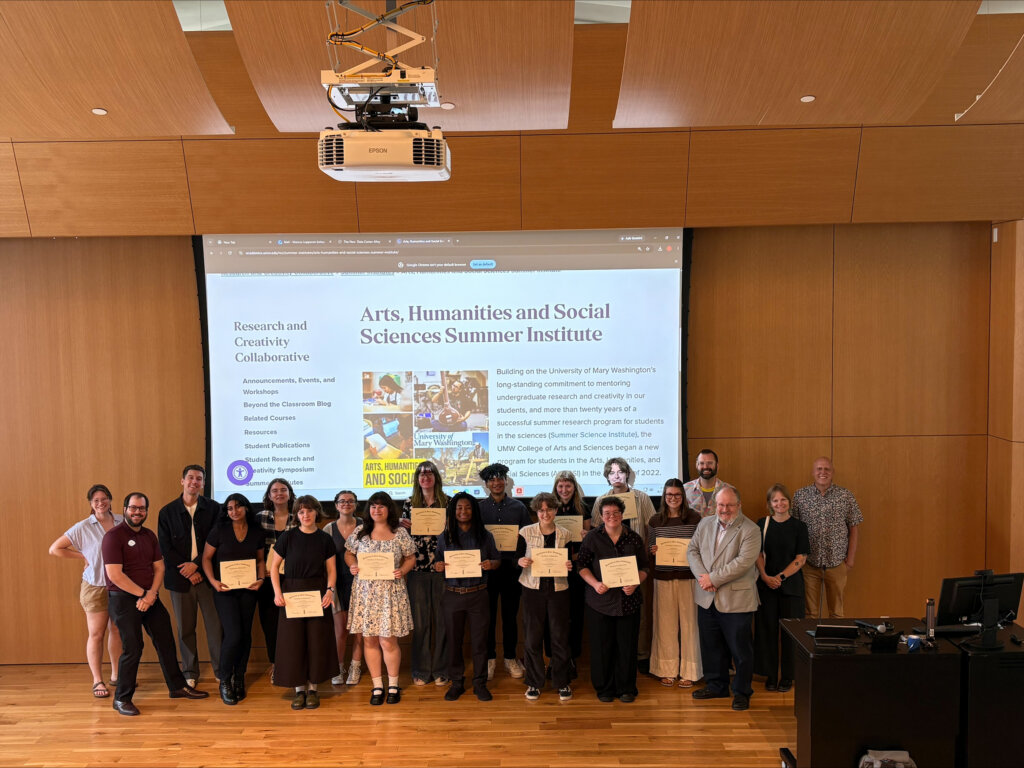
In addition to historic preservation, the fifth annual event included groups from communication and digital studies, linguistics, psychology, sociology and studio art. Each student-faculty team presented its process and results last week at a two-hour symposium in Seacobeck Hall’s Weatherly Wing.
“What makes AHSSSI particularly unique is that it gives an avenue for programs on campus to present research that people may not always think of as conducting research,” said Associate Professor of Psychological Science Marcus Leppanen, who coordinates the institute. “It provides an opportunity to develop marketable skills that apply directly to students’ future careers.”
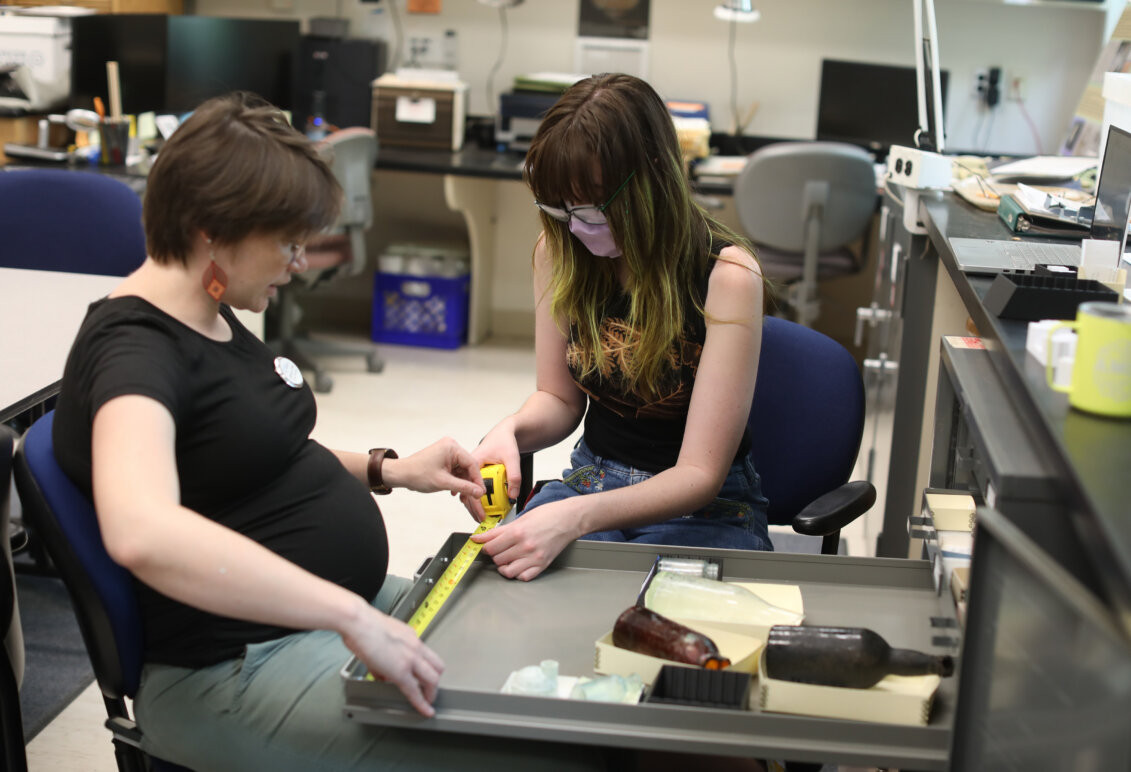
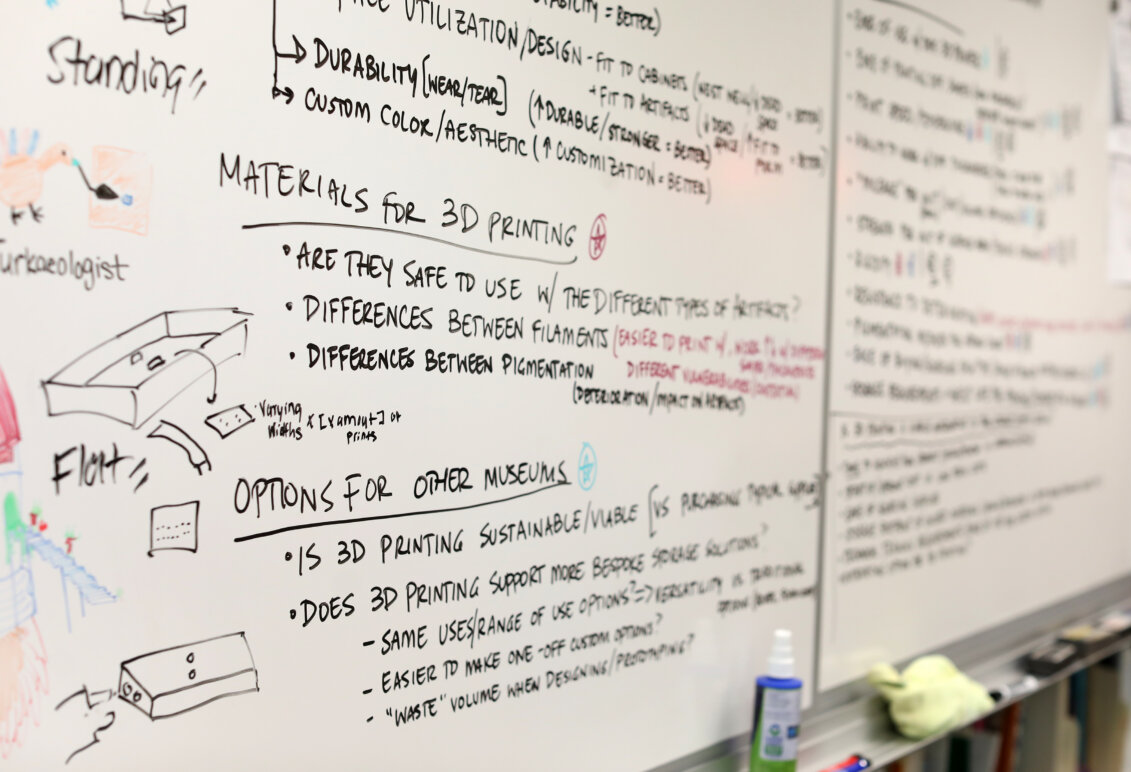
That’s true for Smith and Hollar, who hope to carry the lessons they learned this summer into museum work. With Parker, they took meticulous measurements of assorted bottles, then used acid-free filament to print storage boxes and insert-trays that provide a tailor-made fit for artifacts and cost less than the cardboard containers many museums currently use.
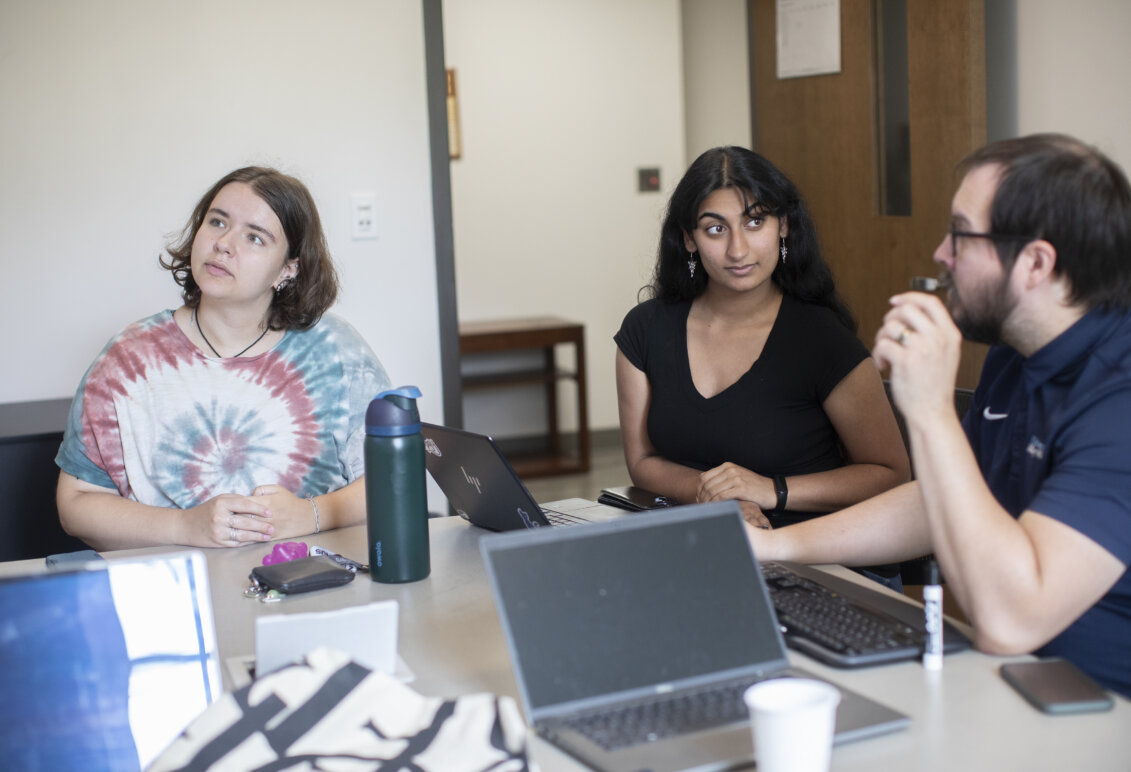
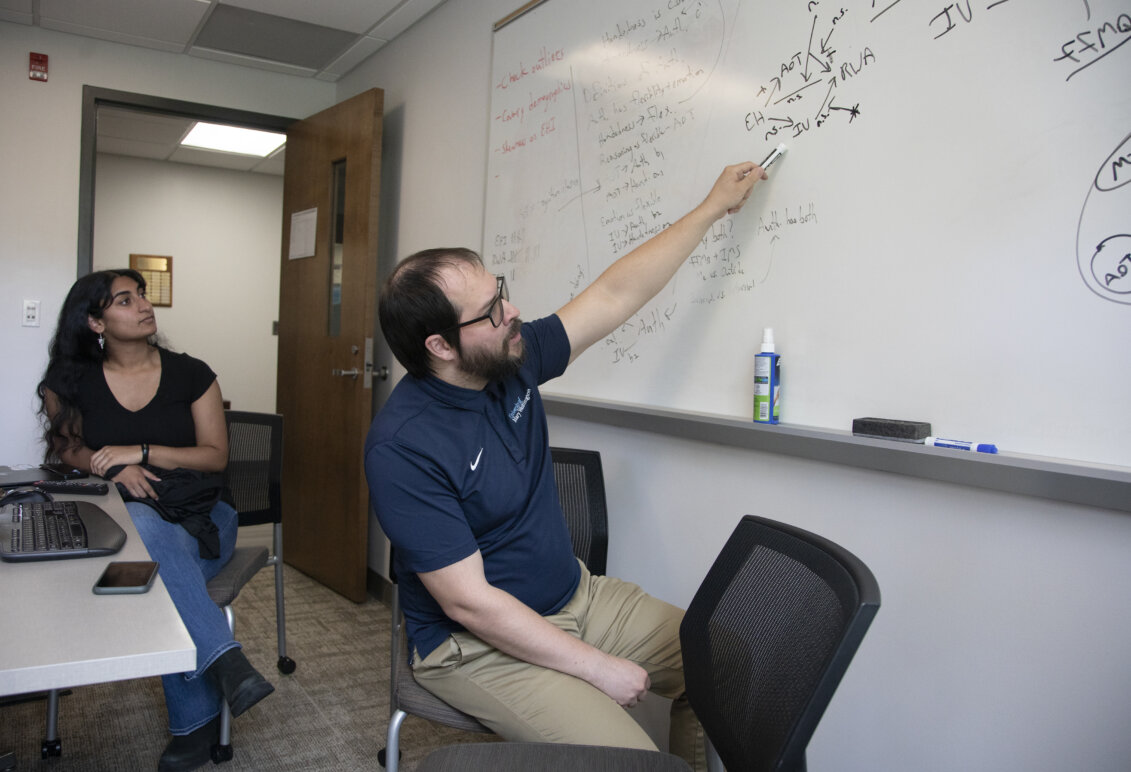
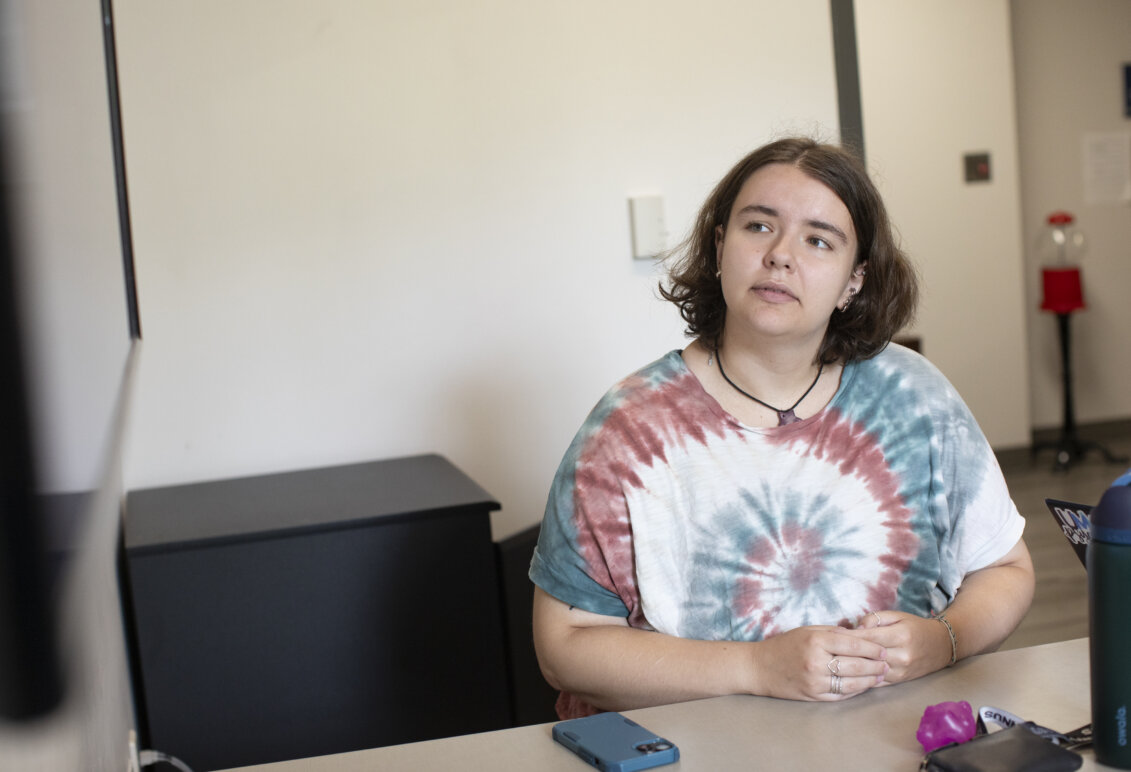
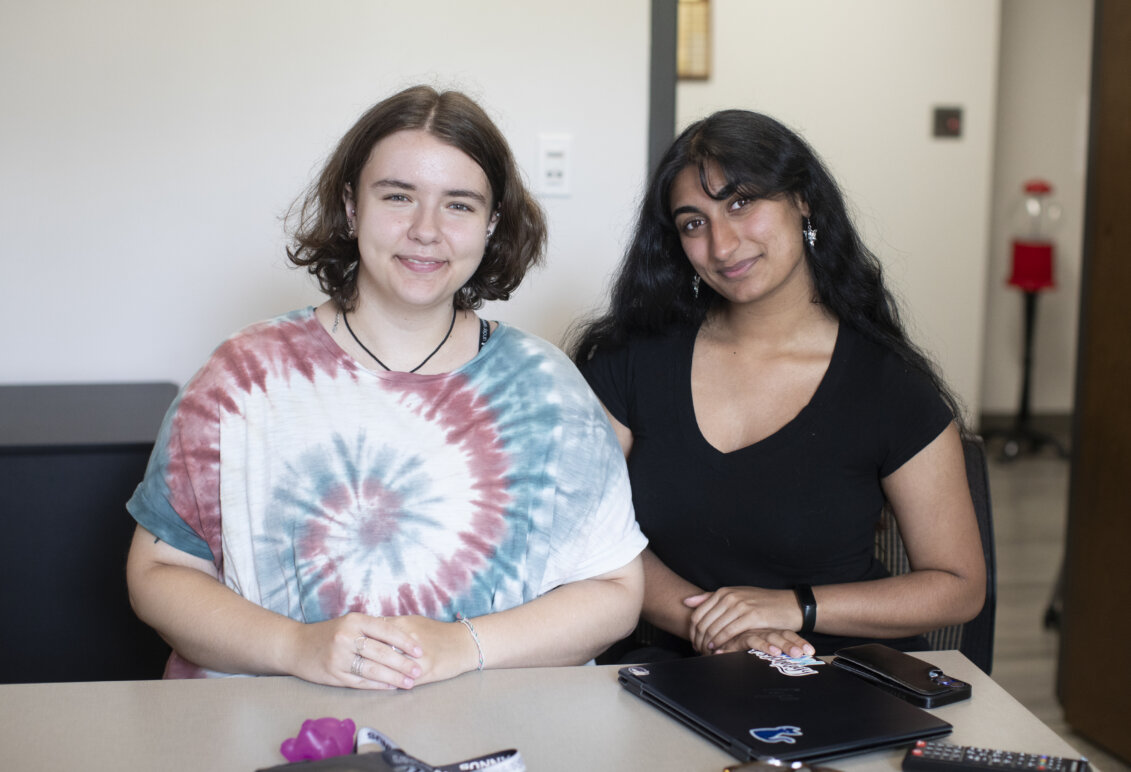
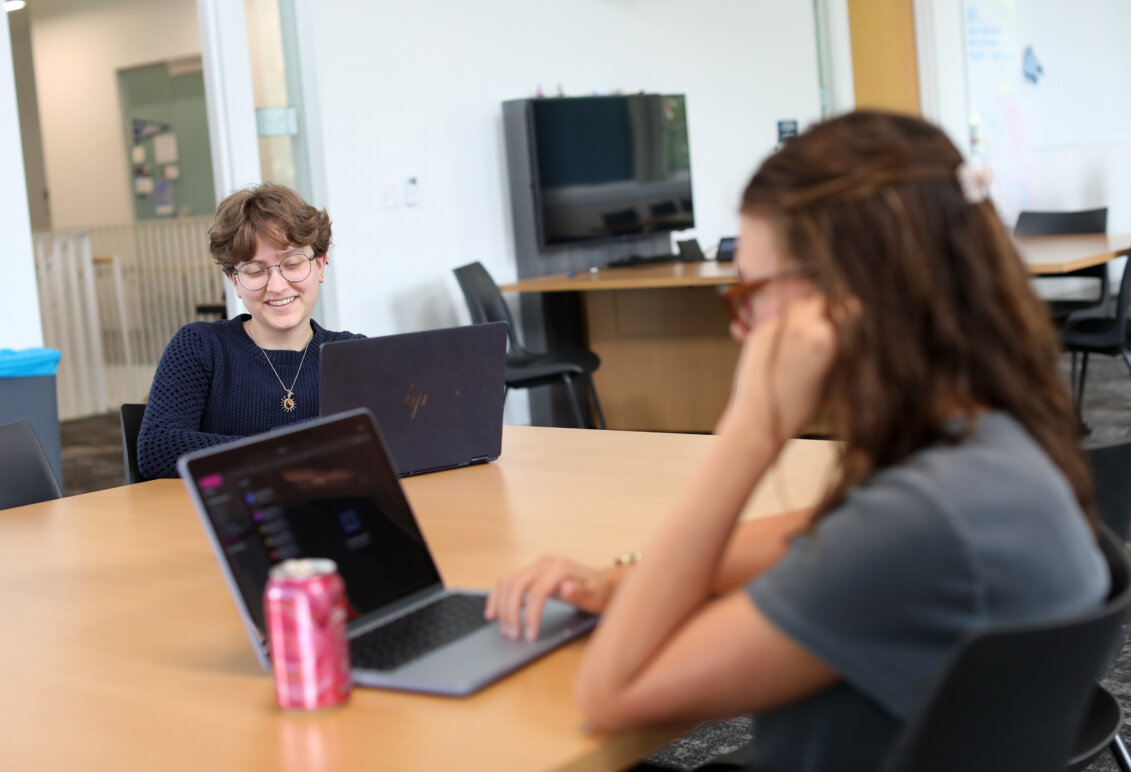
Across campus, in Mercer Hall, Leppanen worked with senior psychology majors Janmeet Gujral and Rae Mears to investigate how a person’s degree of mindfulness intersects with their handedness preference to create instances of authoritarianism. “This was a great opportunity to get outside my comfort area and do something I really love,” Gujral, who plans to pursue a Ph.D., said of the institute. “Hands-on experience is the No. 1 thing graduate schools look for.”
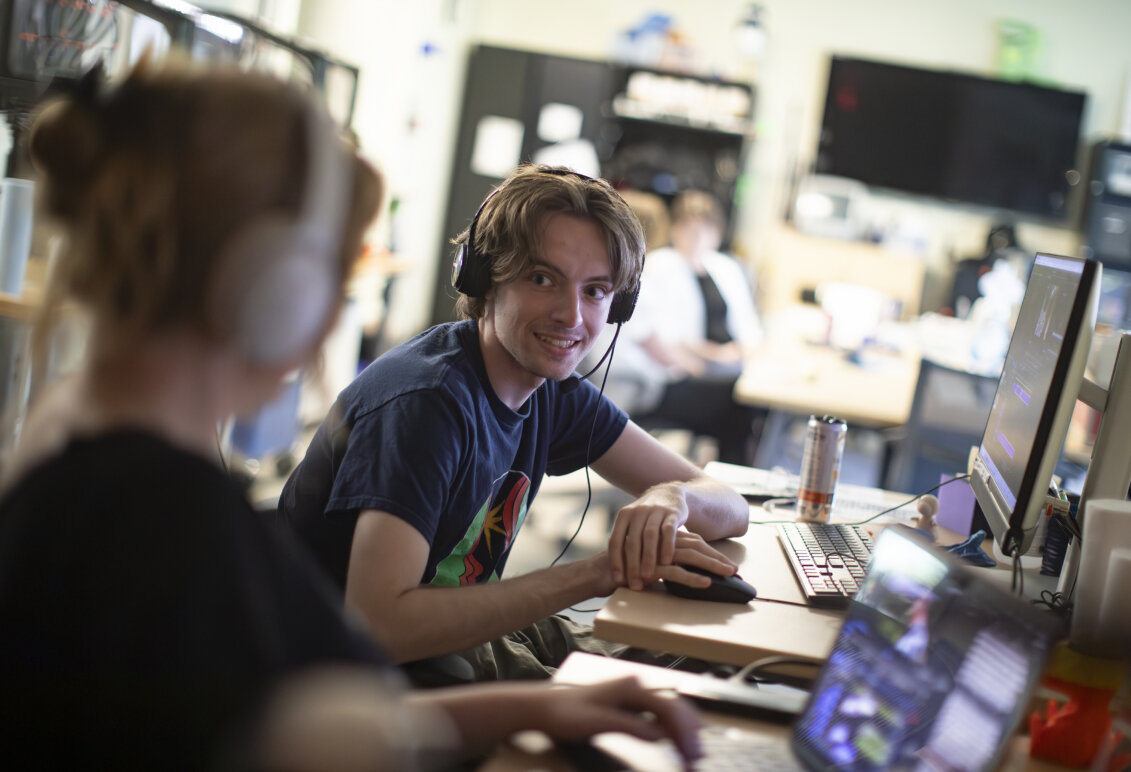
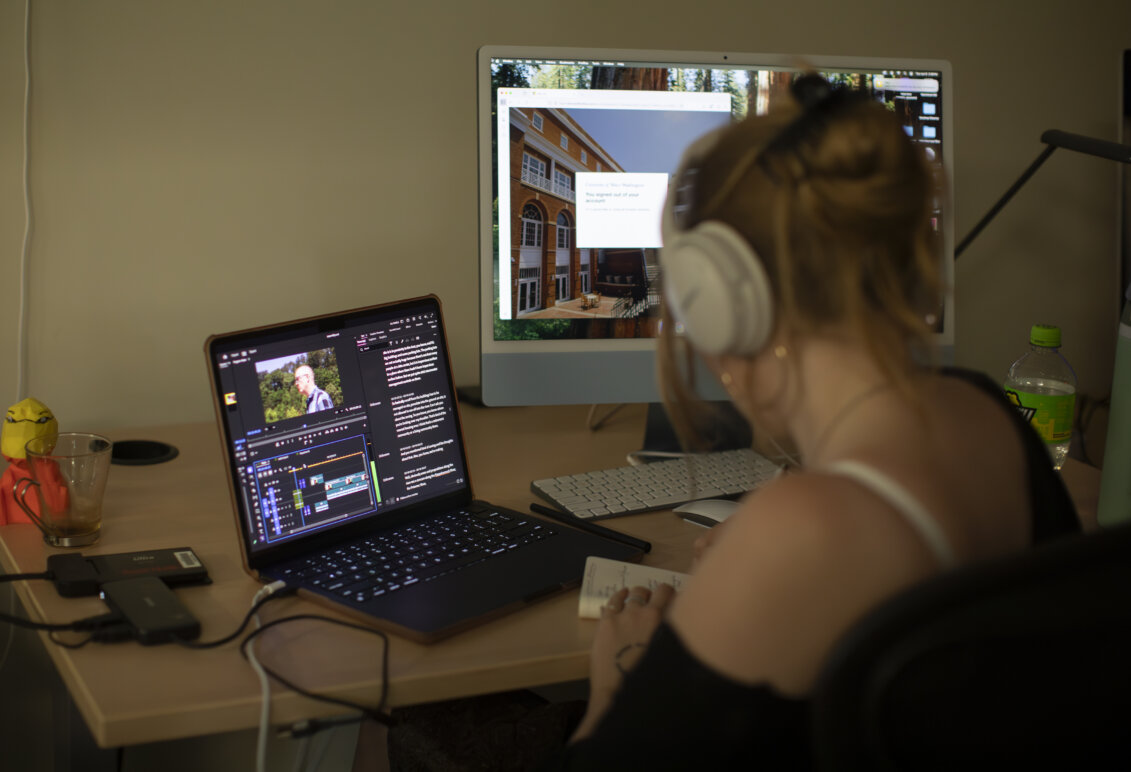
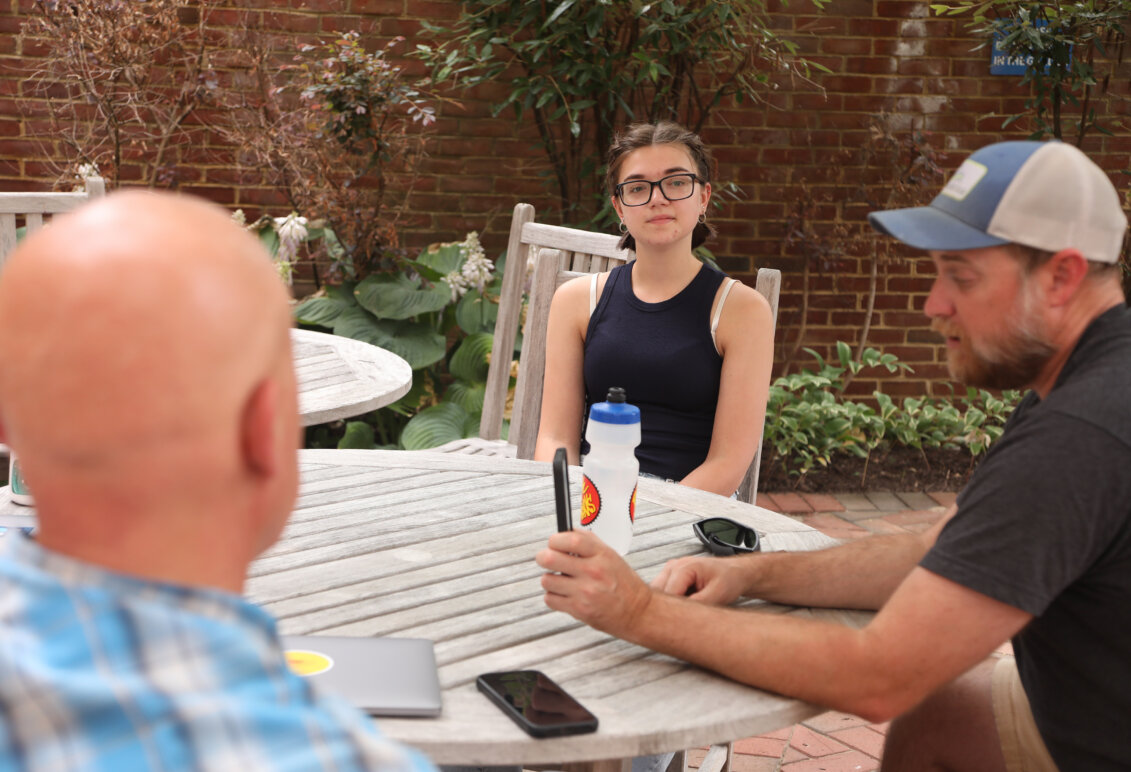
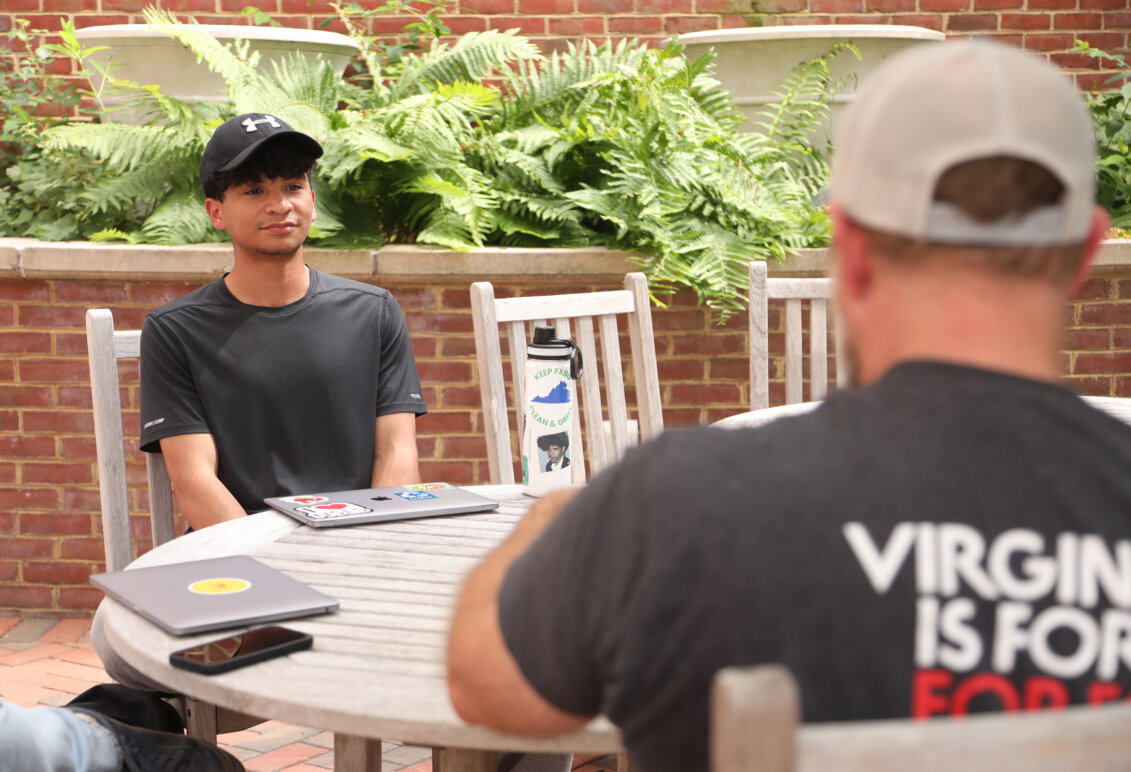
Assistant Professor of Communication and Digital Studies J.D. Swerzenski doubled down in the Hurley Convergence Center with senior Owen Wheeler and recent grad Chloe Adler ’25, both of whom participated in AHSSSI last year. They mapped data centers slated for the Fredericksburg area, interviewed local experts and filmed a documentary to provide context on the increasingly prolific facilities.
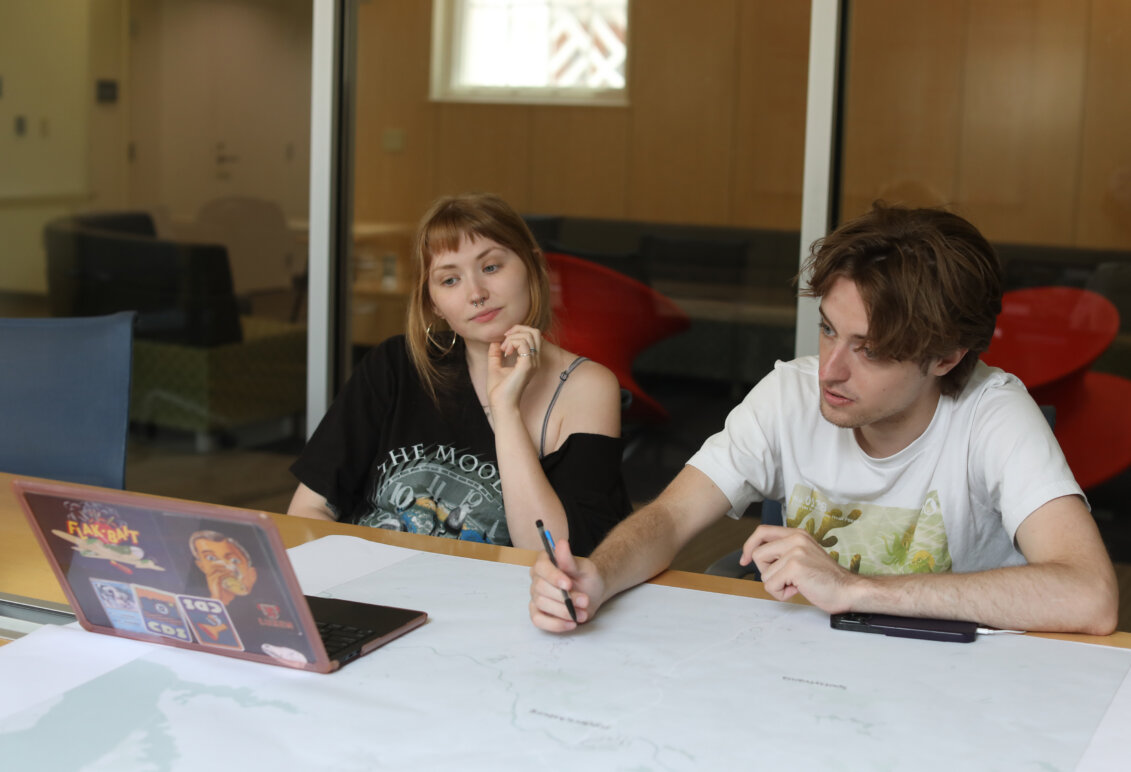
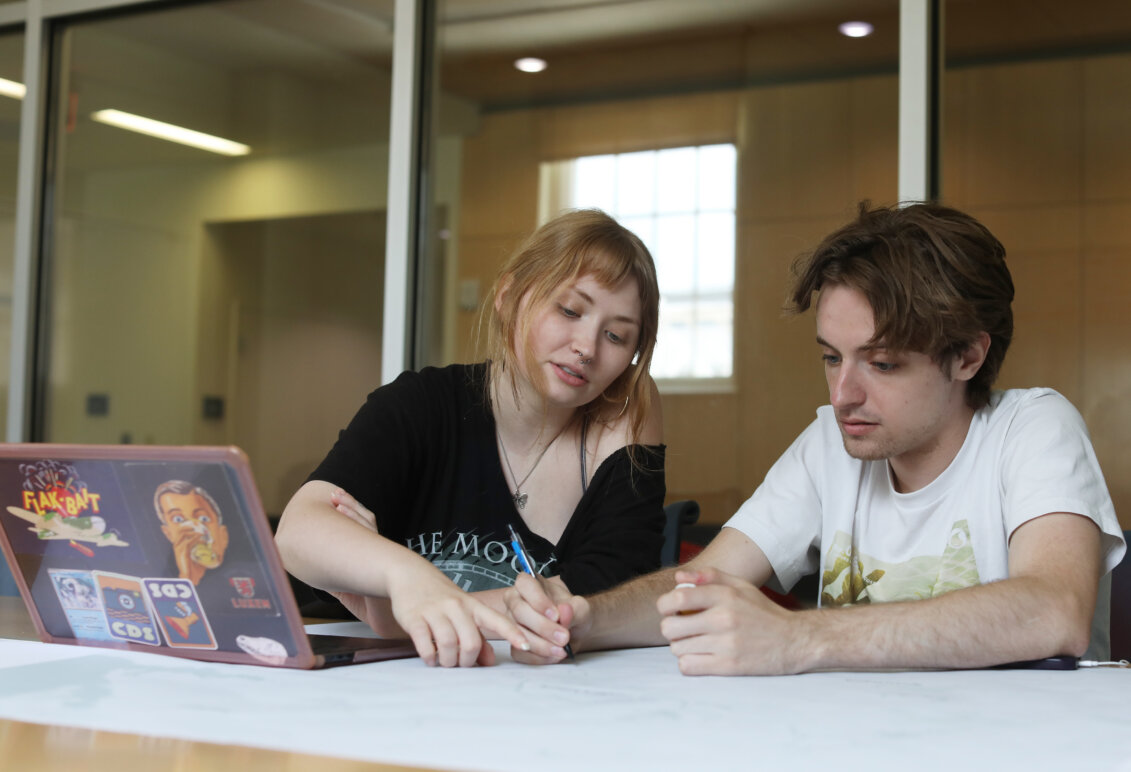
Sophomore business administration major Fiona Steffens and junior sociology major Braderick Hatch took the data center topic in a different direction. With Professor of Sociology Eric Bonds, they visited the Rappahannock River for perspective and dug into public records to learn how much water the sites consume and assess their claims of sustainability. “It’s a great opportunity to embody what our fields and passions have in store for us,” Hatch said. “Groups have the freedom to take their projects further by presenting them at conferences … or creating additional works that can be added to portfolios or résumés.”
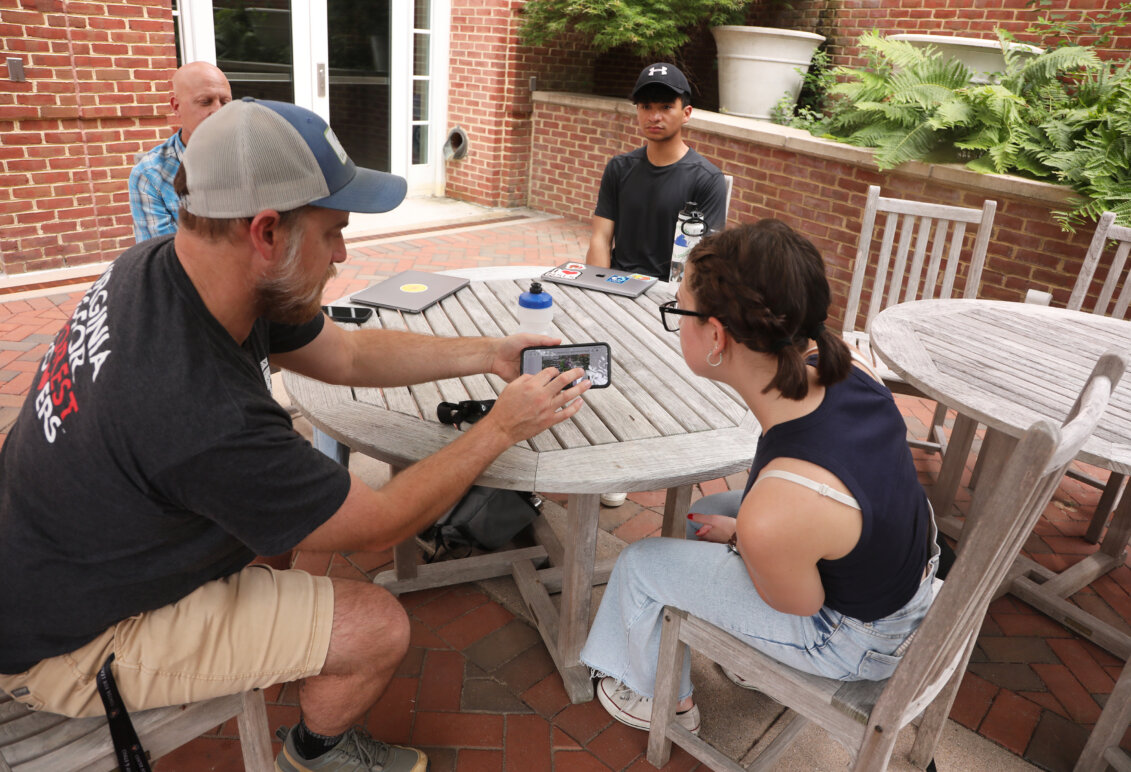
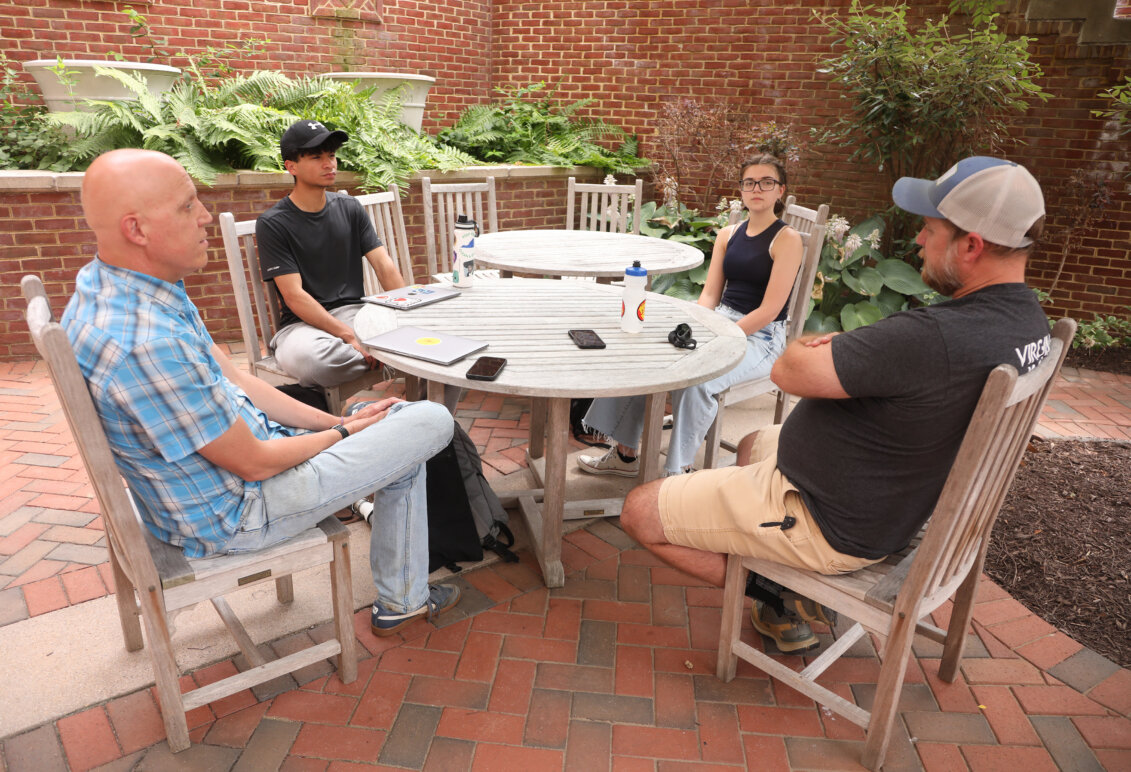
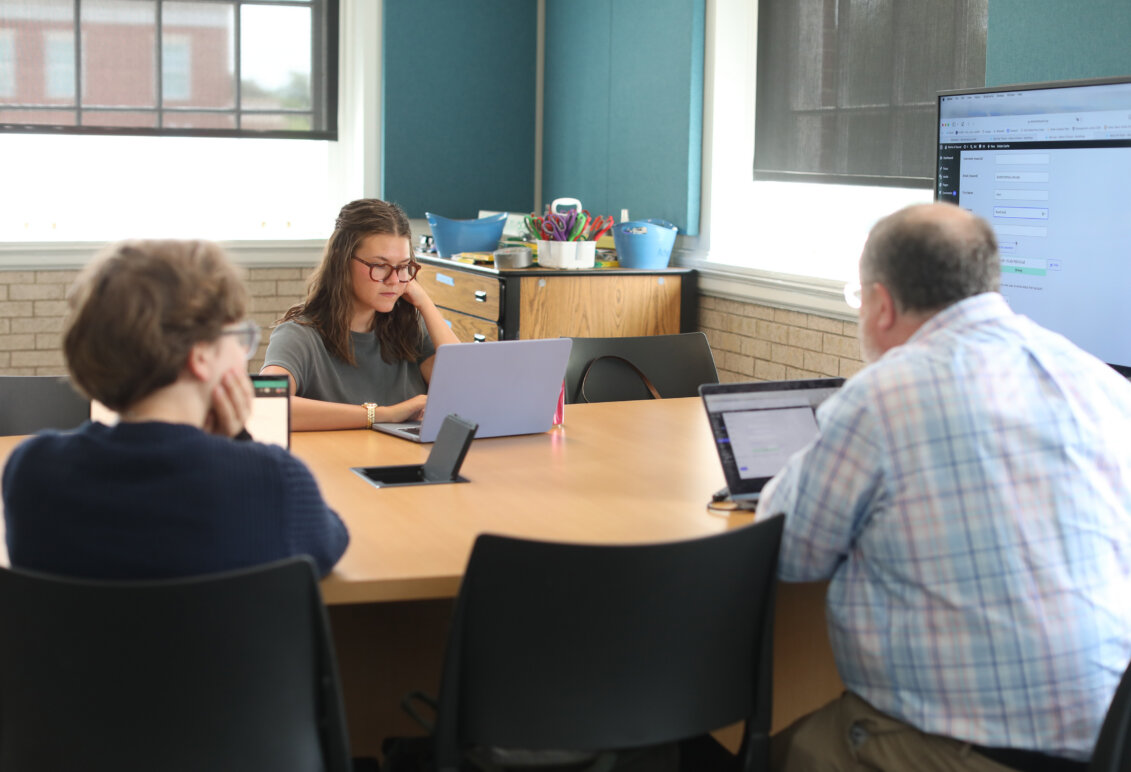
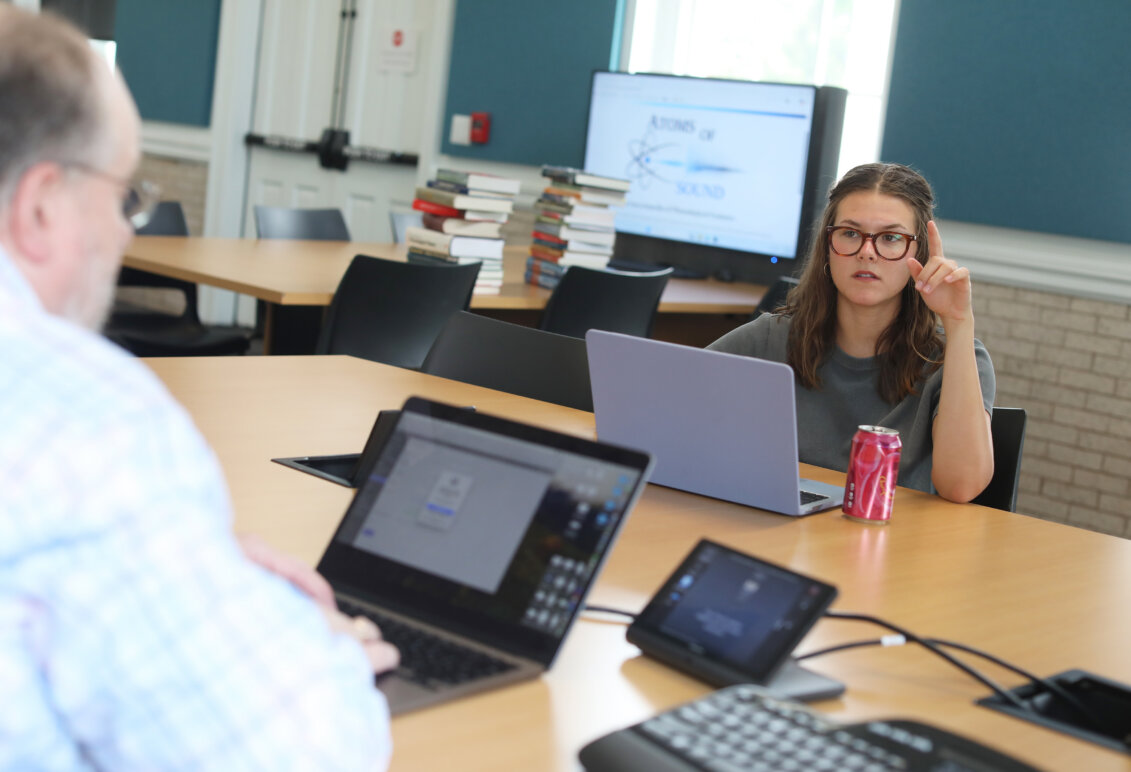
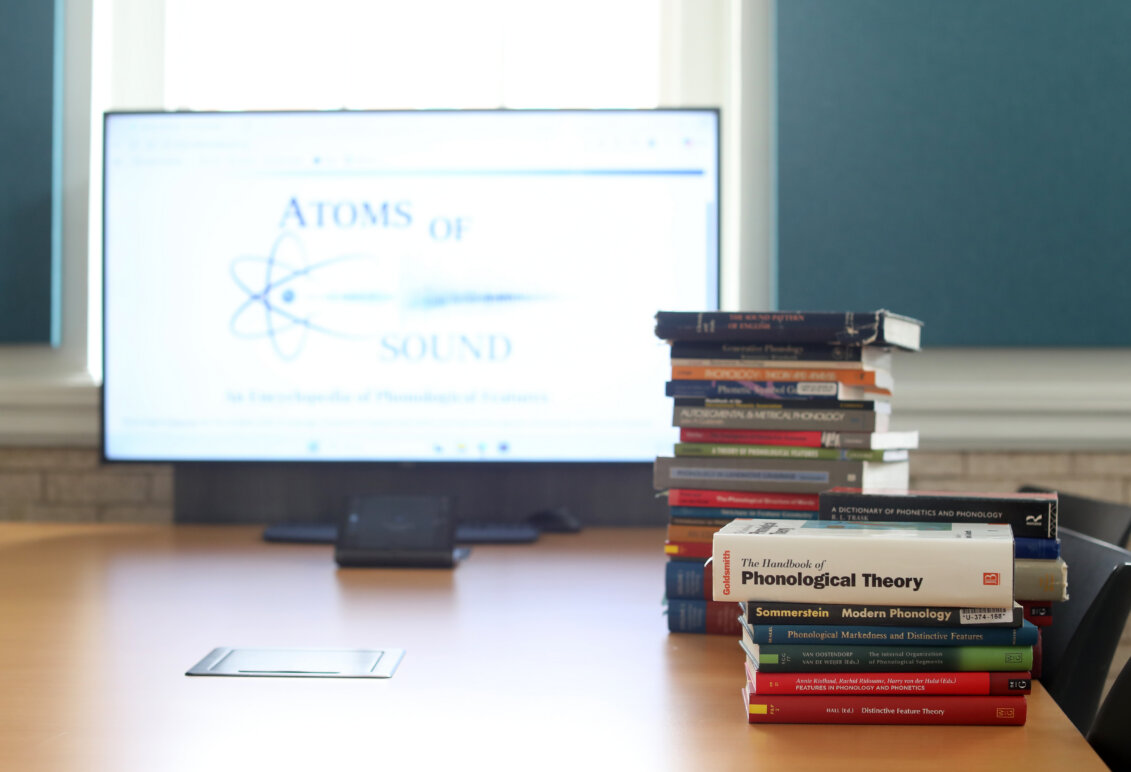
Second-year AHSSSI participant Ainsley Graf built on the work she did last summer with Professor of Linguistics Paul Fallon. Joined this year by fellow senior linguistics major Allon Boettcher, she continued compiling an online reference of the abstract components of speech sounds used by the world’s more than 7,000 languages. “Looking into phonological features helps me understand a lot of the speech disorders I might run into later in my career,” said Boettcher, who plans to pursue a master’s degree.
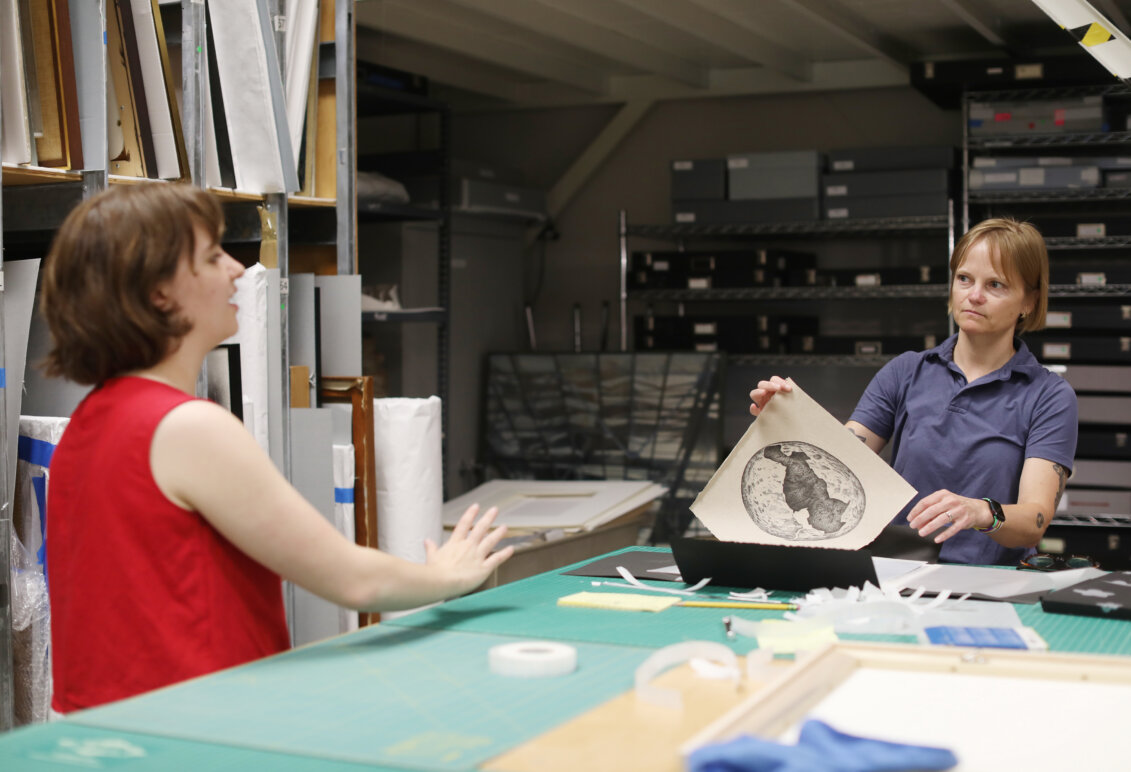
Director of UMW Galleries Tracy Stonestreet and Assistant Professor of Studio Art Coorain Devin teamed up for a project called “Printing American Identity: Artistic and Curatorial Research for the USA 250 Print Exchange Exhibition.”
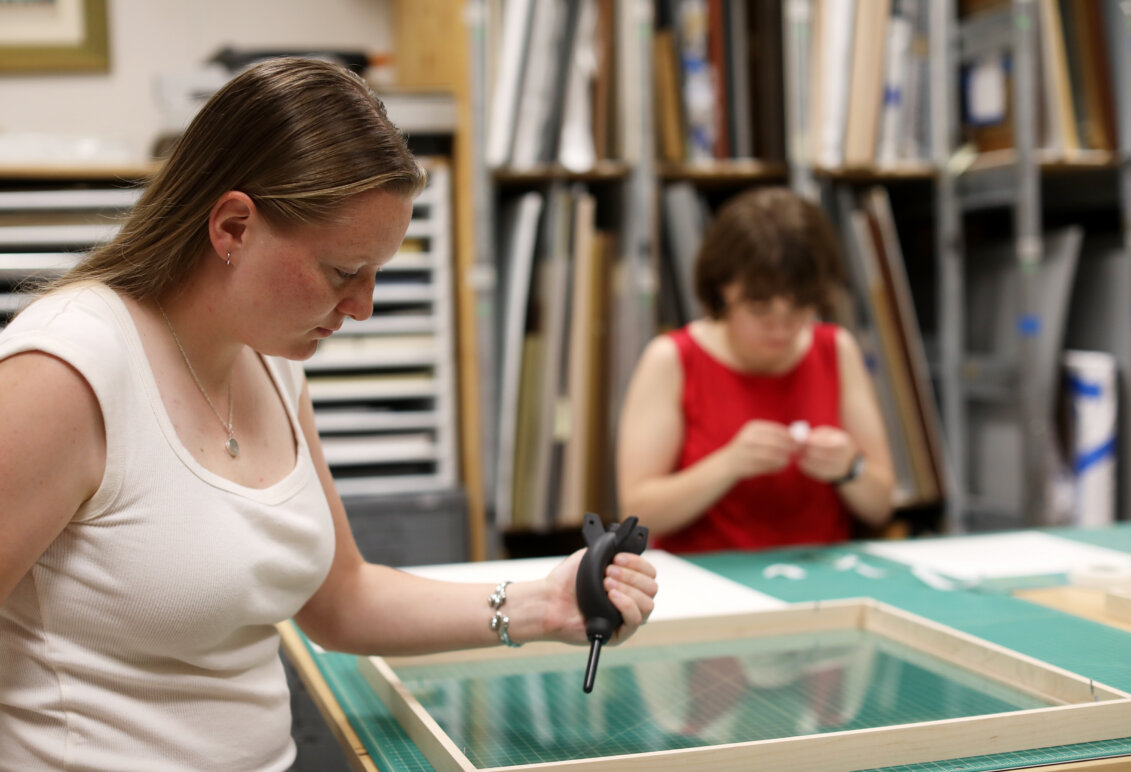
With Stonestreet, senior art history majors Kiley Hyson, who’s also studying studio art, and Ava Ward, who’s pursuing classical archaeology, researched artists from across the country who’d submitted works depicting what it means to be American. The team wrote bios for the contributors, then framed the works and made a floor plan for an exhibit slated for Nov. 10 to Dec. 6 in Mary Washington’s Ridderhof Martin Gallery. “We’re really doing every aspect of this,” Ward said. “Even an internship wouldn’t be this involved.”
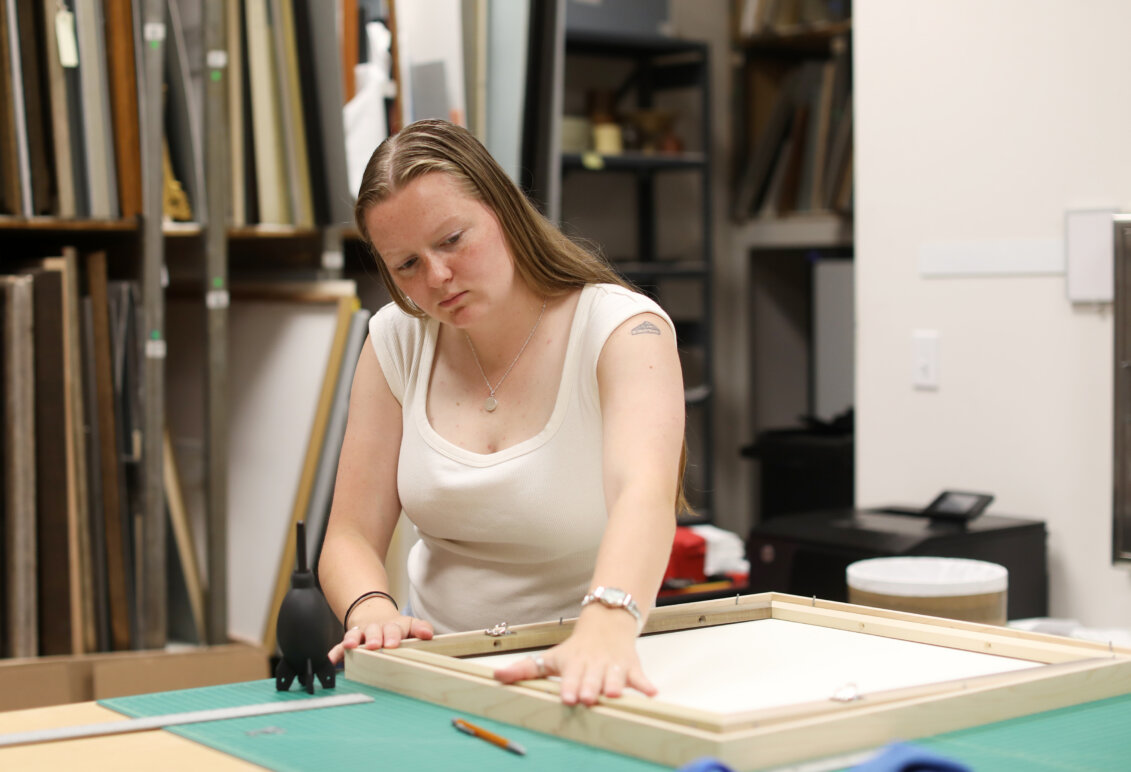
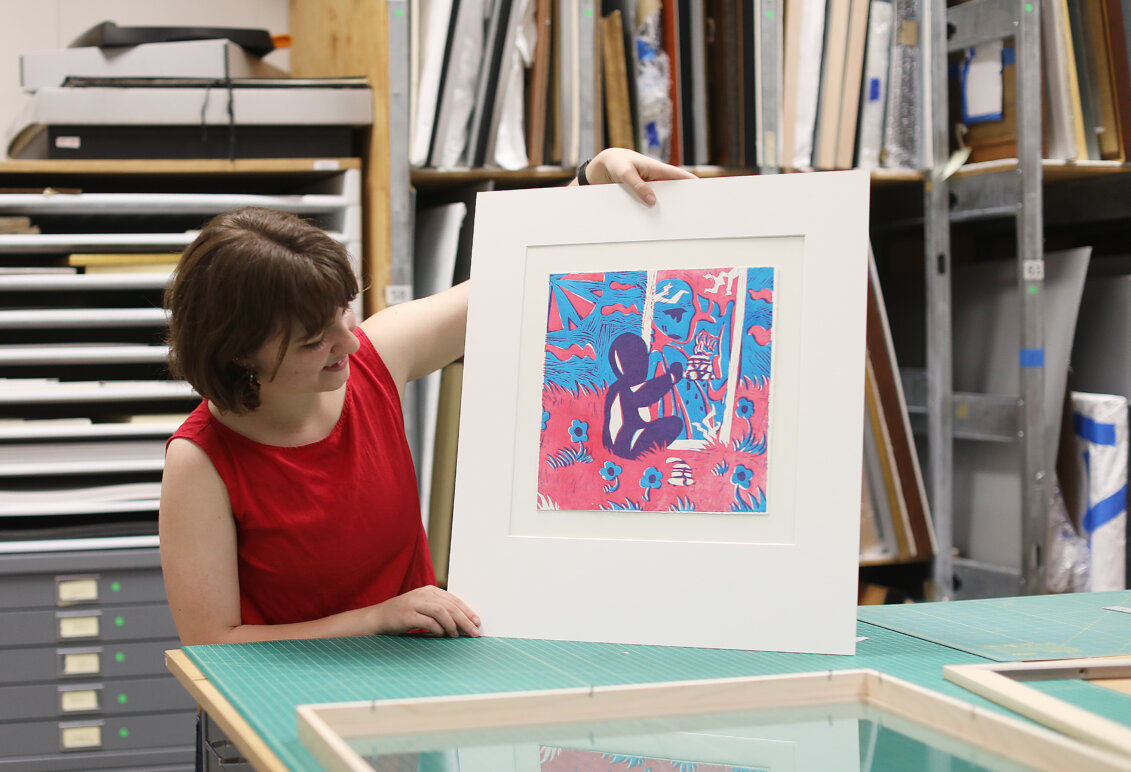
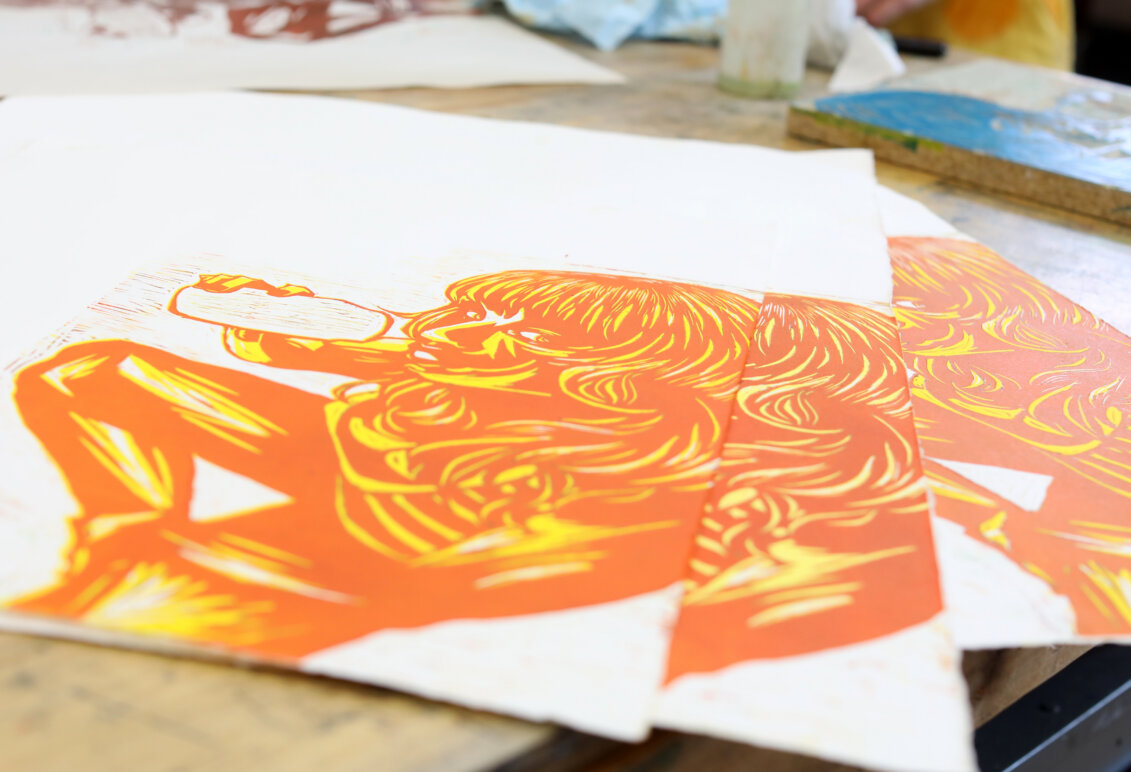
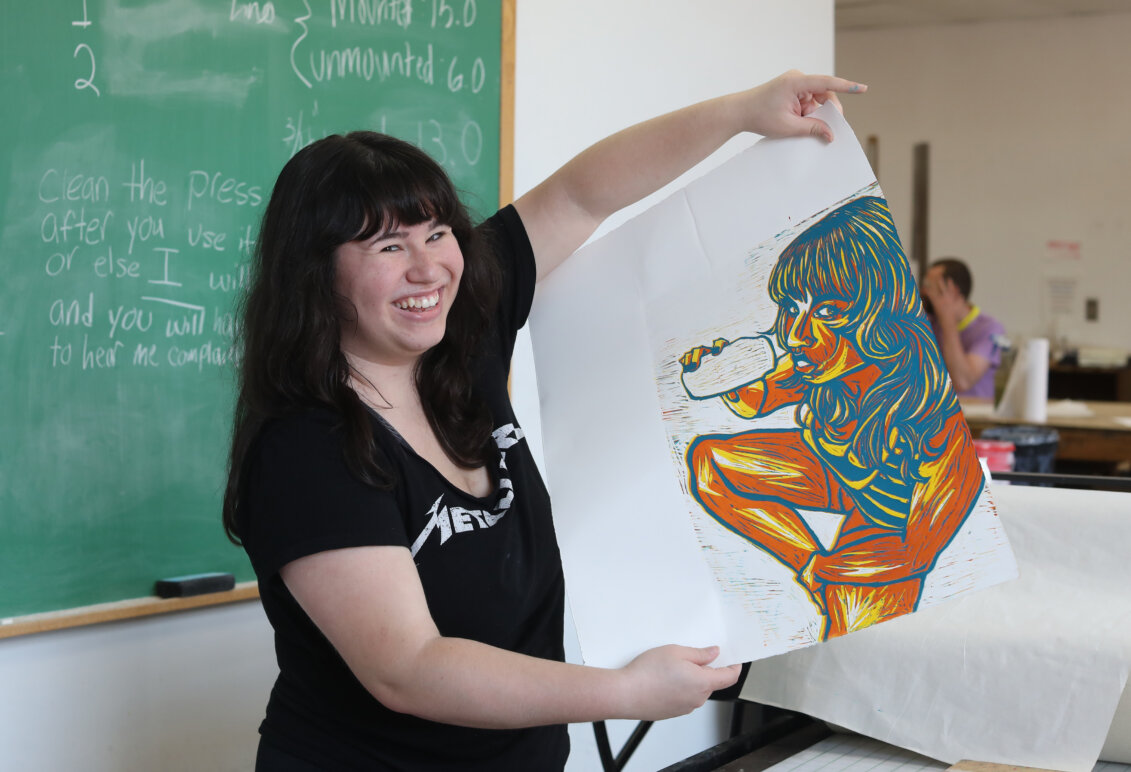
With Devin, studio art and English double majors Nesa Estes, a senior, and Kate Silver, a junior, worked through the painstaking relief-printing process to create their own masterpieces. They came up with original designs, carved them into wood or linoleum, inked the raised areas and printed them onto other materials. “Having art be my only focus for a while is exciting,” said Estes, who likened her stint in AHSSSI to an artist’s residency.
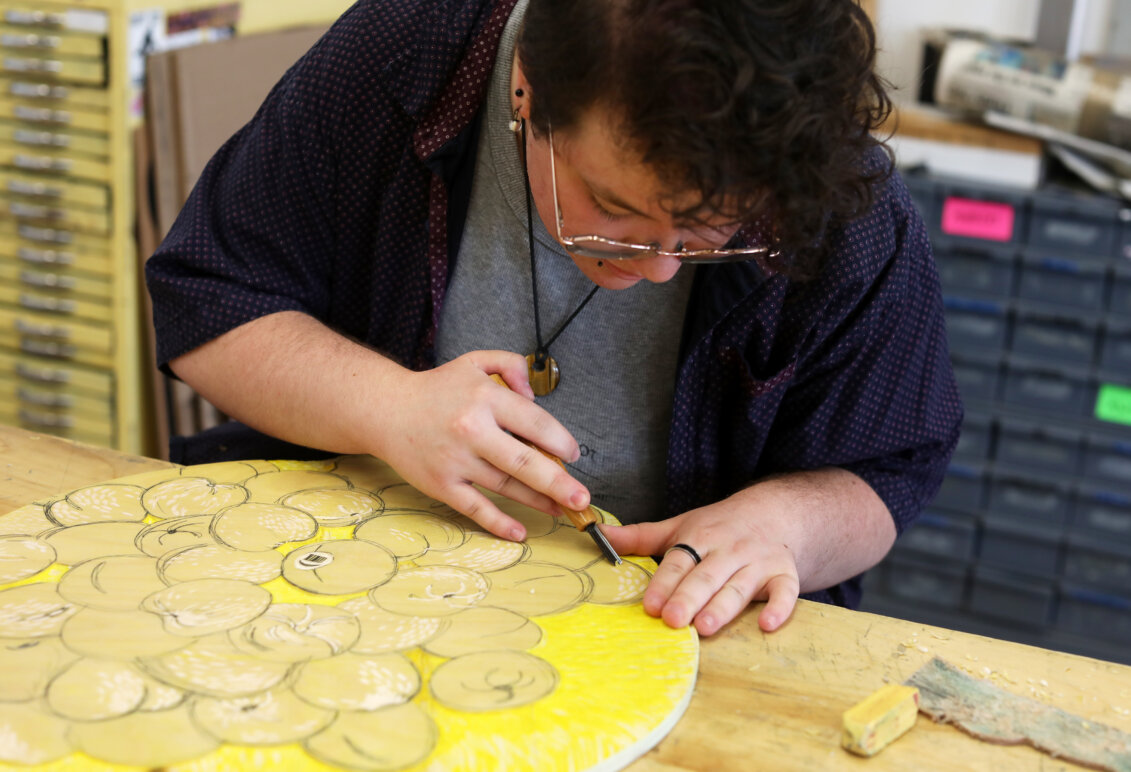
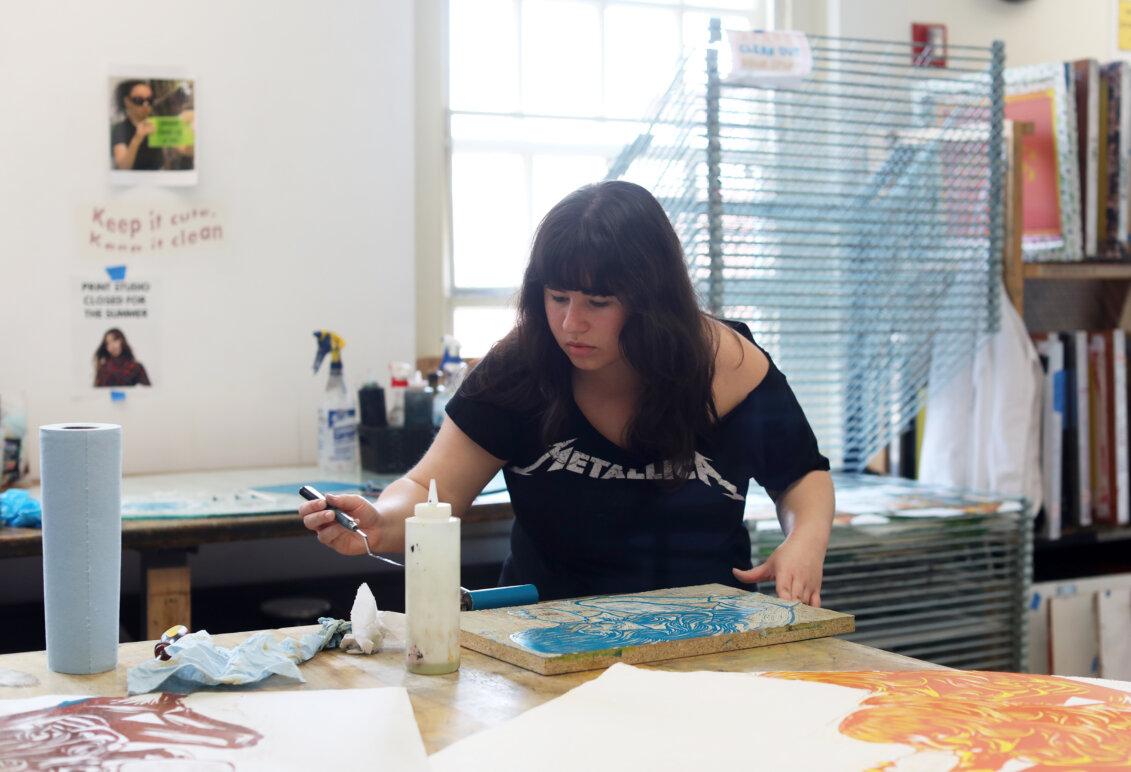
Participants also attended weekly meetings and bond-building activities like paddleboarding, kayaking and bowling – just a bonus addition to the fruits of their labor.
“The purpose of AHSSSI is for students to get hands-on experience conducting research in their field of interest,” Leppanen said. “While every single one of these projects is a noteworthy line on a résumé, many of them will lead to public-facing professional work.”