Inaugural Dean Poised to Help UMW’s College of Education and Human Development Thrive
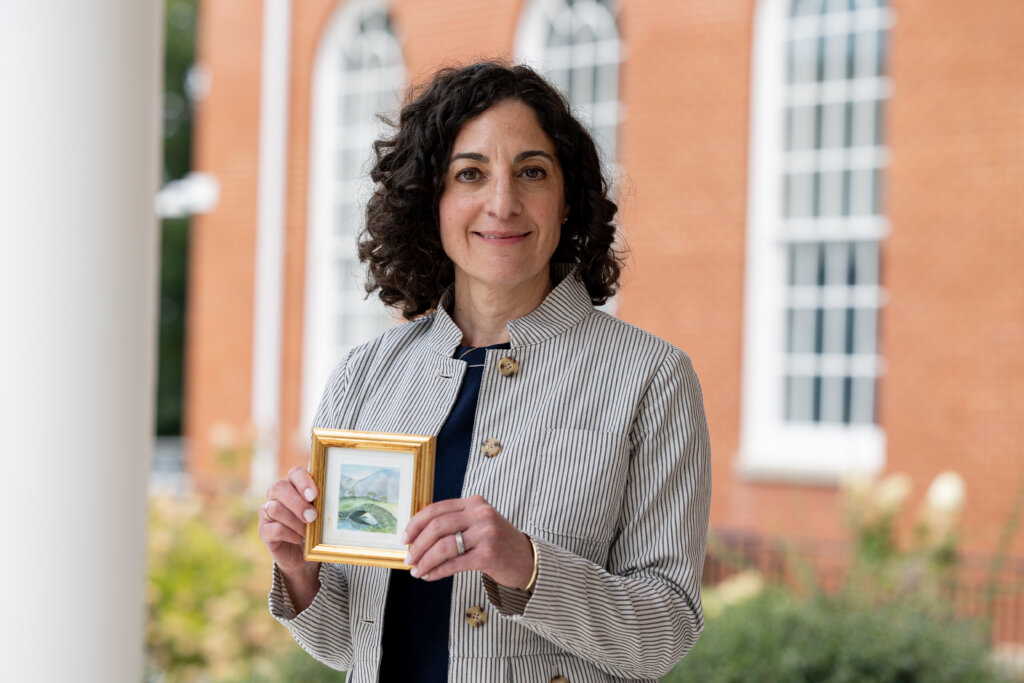
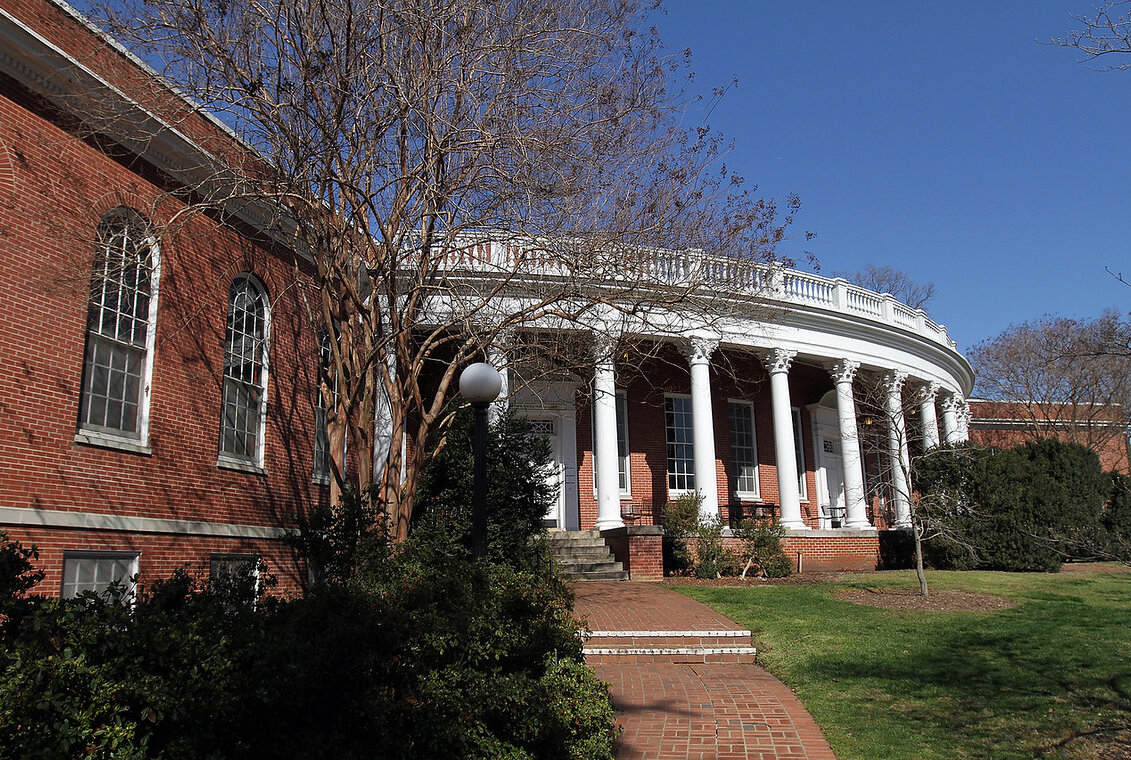
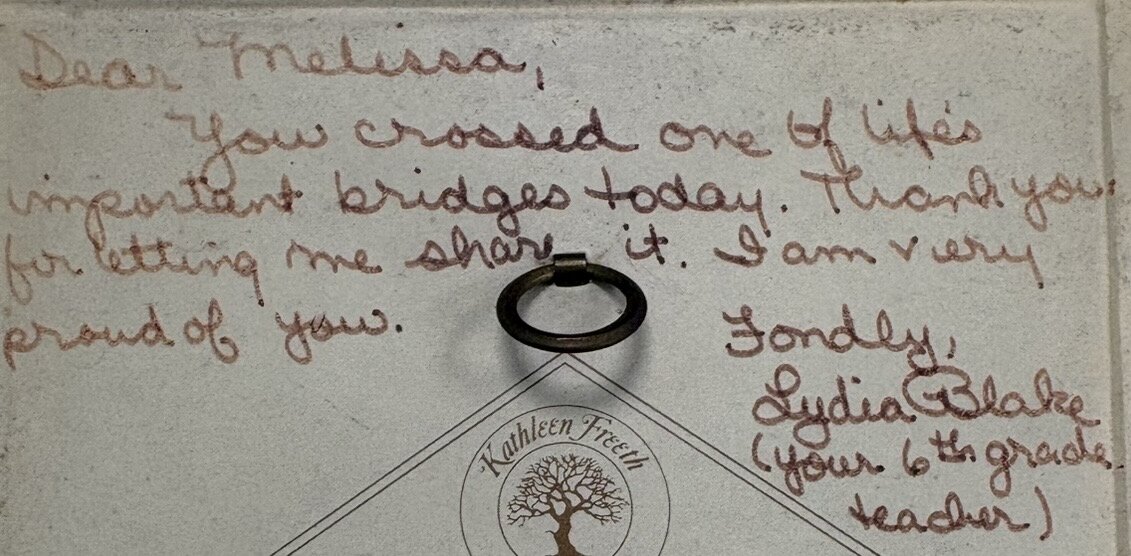
A painting of a cobblestone bridge sits on Melissa Napolitano’s desk in Seacobeck Hall. A gift from her sixth-grade teacher, the watercolor is both meaningful and metaphorical for Napolitano, the inaugural dean of the University of Mary Washington’s newly expanded College of Education, now called the College of Education and Human Development.
On the back of the painting, Mrs. Blake wrote, “You crossed one of life’s important bridges today,” marking Napolitano’s graduation from college.
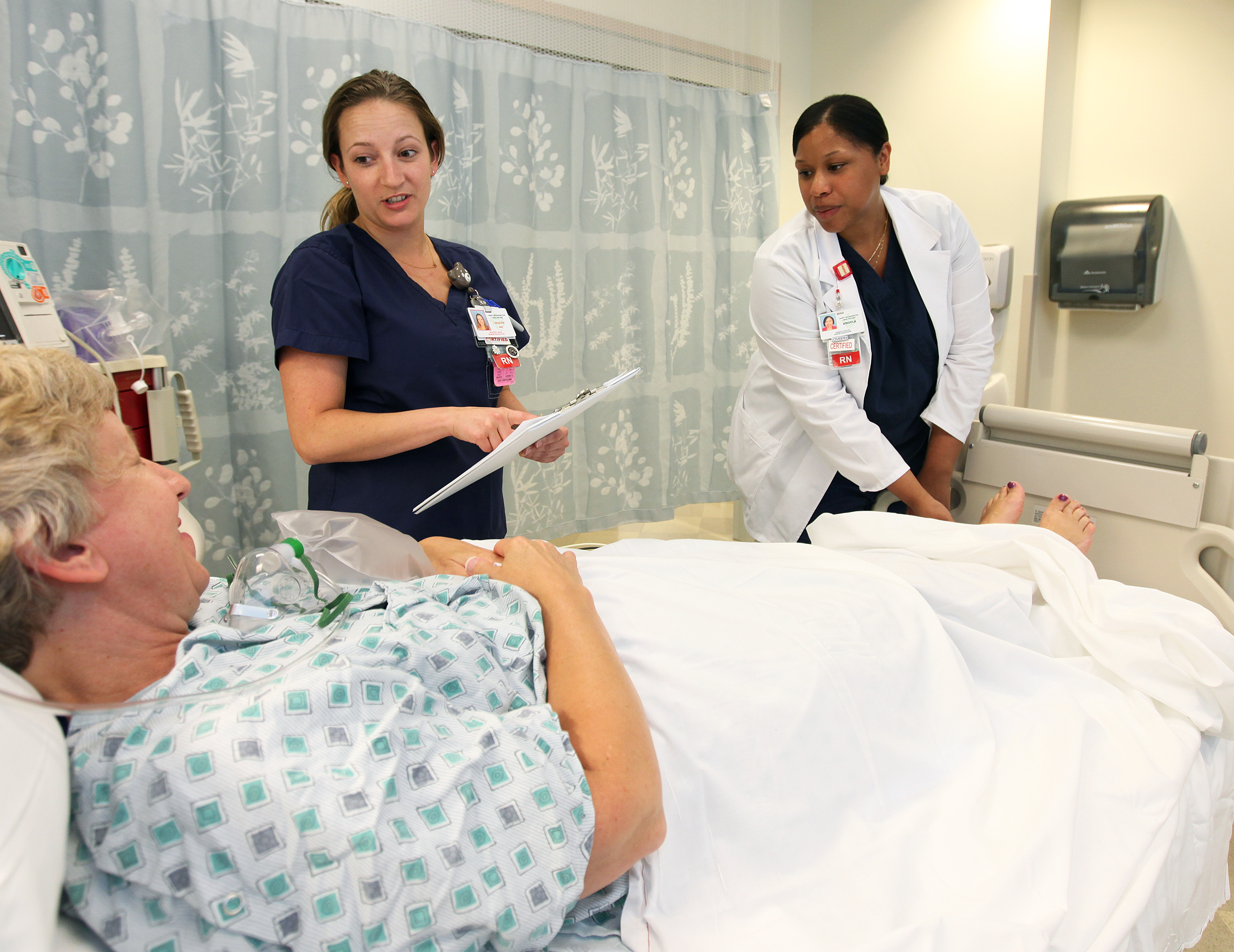
In her new role, she’ll create her own type of bridge, melding the teacher training on which Mary Washington was built with the Department of Nursing and the Department of Athletics, Health and Physical Education. The disciplines share a purpose, said Napolitano, an academic leader whose background spans clinical psychology, physical activity, public health, behavioral medicine and student success. Teachers, nurses and coaches are on the frontlines throughout people’s lives, helping them learn, grow, stay healthy and thrive, she said. They’re also often the first to notice student struggles, like food instability and mental health challenges.
“I really think about building bridges … across disciplines, for students into their careers, and solidifying our campus-community bridges,” she said. “There’s so much that unites us. I’m excited to think about how we build on all the strengths across different areas and continue to create our shared purpose together.”
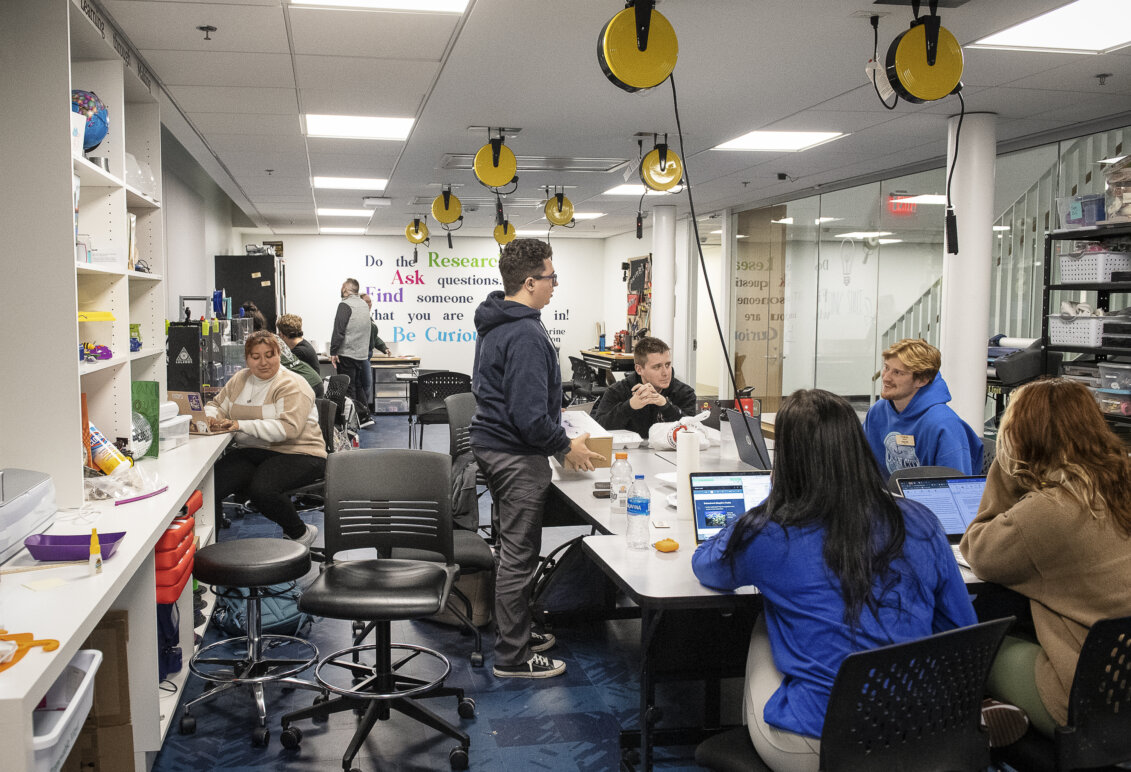
Diversity of disciplines, Napolitano believes, generates diversity of ideas, creating opportunities for student success and innovative ways to meet the needs of a 21st-century workforce, especially for the Fredericksburg region. At the helm of the College of Education and Human Development, she’ll bring these courses of study together, seeking opportunities to collaborate, develop new programs and bridges, and nurture current partnerships while forming new ones, with health departments, recreation centers and more.
It’s a familiar challenge for Napolitano, who comes to UMW after more than a decade at The George Washington University’s (GWU) Milken Institute School of Public Health. There, she taught courses at the undergraduate, master’s and doctoral levels, served as interim chair of the Department of Prevention and Community Health, and led both the Health Behavior DrPH Program, and the Social and Behavioral Sciences in Public Health Ph.D. Program.
Prior to her time at GWU, she held faculty appointments at Temple and Brown. But in Mary Washington – where she succeeds longtime College of Education Dean Pete Kelly – she saw something familiar.
“UMW really mirrored a number of my own experiences as an undergraduate student – the focus on a strong liberal arts and sciences-based foundation, the commitment of faculty to students and the student experience, and the importance of giving back to one’s community,” she said. “I was struck by how my background could serve as a connective tissue with the different areas now united under the expanded College of Education and Human Development.”
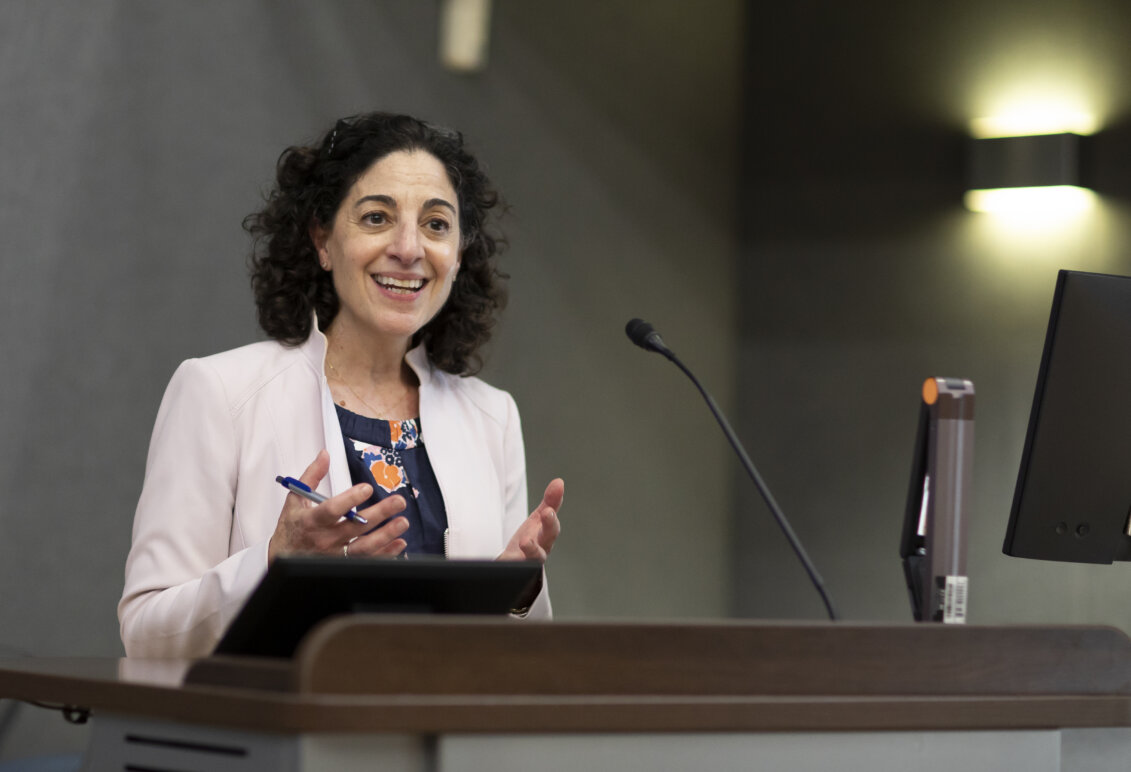
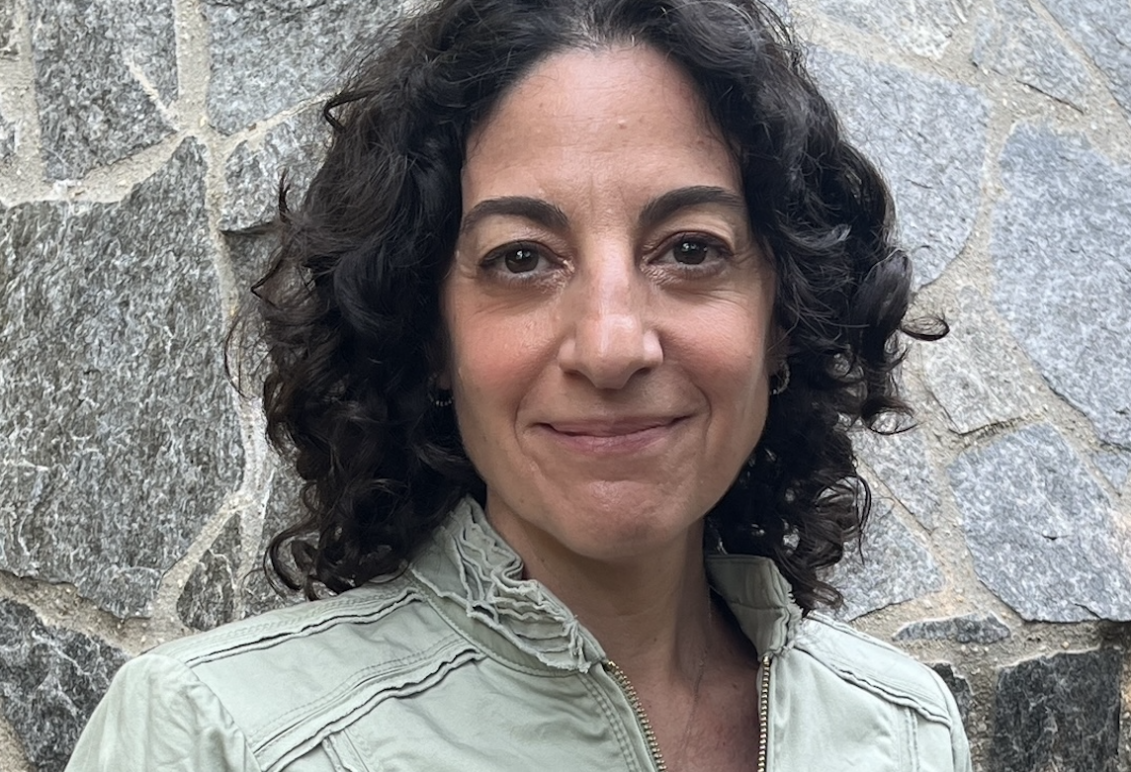
With a bachelor’s degree in psychology from Yale, master’s and doctoral degrees in clinical psychology from Duke, and postdoctoral and clinical training from Brown, Napolitano is dedicated to teaching and mentoring. She’s created and led courses in social connection and public health, health promotion, scientific writing and grant development; directed clinical training programs; participated in strategic planning initiatives; and played a central role in the development and accreditation of doctoral programs.
She’s also held leadership roles in national professional organizations, including the Society of Behavioral Medicine, American College of Sports Medicine and International Society for Physical Activity and Health.
Along the way, Napolitano has focused on research, landing significant funding for projects in areas like physical activity promotion, obesity prevention, and the use of technology to improve health outcomes. Her work has helped shape policies and influence regulatory guidelines, including the 2018 Physical Activity Guidelines for Americans. She’s secured funding from such entities as the National Institute of Diabetes and Digestive and Kidney Diseases, and the American Heart Association. Her peer-reviewed publications have appeared in journals like JAMA, Health Psychology and Preventive Medicine.
A final project at GWU brought her full-circle, said Napolitano, who secured a National Heart, Lung and Blood Institute grant to help young adults improve their heart health through a strengths-based approach. She worked with students and co-investigators to build a phone counseling program to strengthen heart-healthy behaviors while also addressing stress, social isolation and loneliness, all factors that can affect long-term heart and brain health. This work connects with the College of Education and Human Development’s broader mission of helping people learn, thrive and belong by addressing health and the conditions that support lifelong well-being.

Napolitano grew up in New York with a father who was a math teacher and school counselor and a mother who worked as a nurse. In fact, her mother followed an educational pathway similar to many of UMW’s nursing students: earning an RN, then completing a BSN, and pursuing her master’s degree as an adult learner. Her maternal grandfather, who immigrated to the U.S. from Italy when he was 14, taught himself English by reading the newspaper. Her family story gives Napolitano an appreciation for the transformative power of education, gratitude for having access to opportunities unavailable to previous generations and a sense of responsibility to empower others, including learners whose paths may not be traditional.
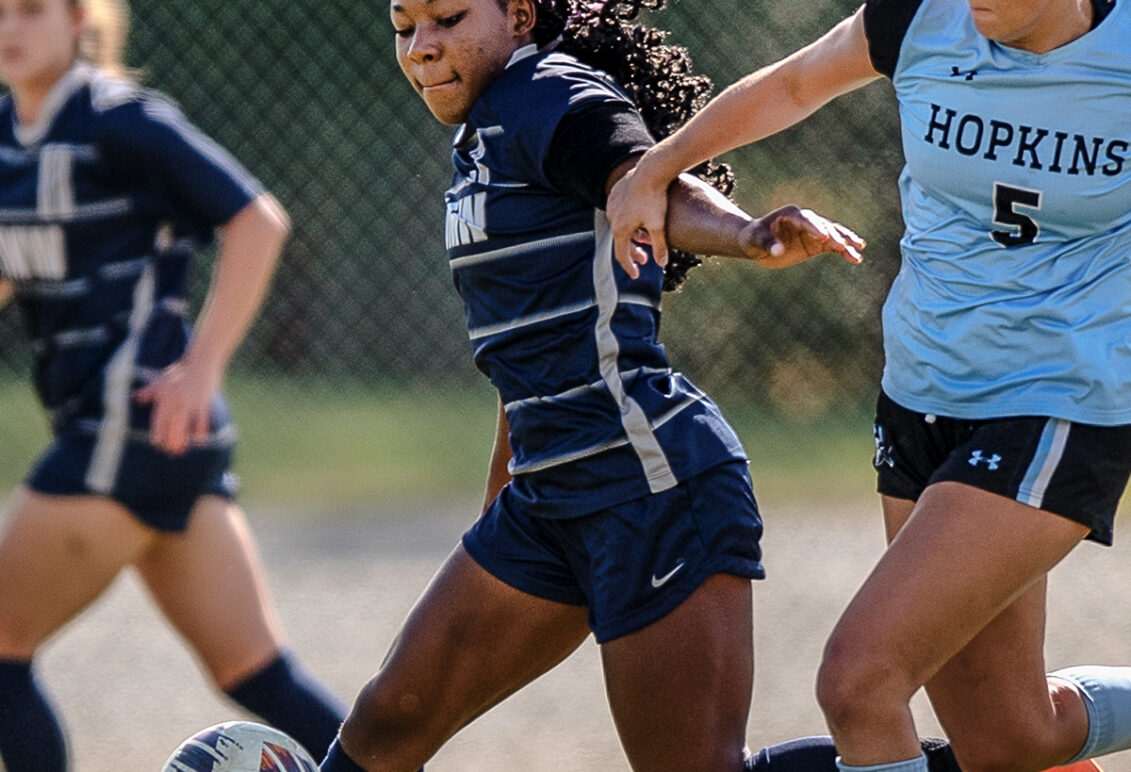
She also relates to the student-athlete experience, having been a right midfielder on the field hockey team at Yale, where she developed leadership skills and made lifelong friends. She lives in Fredericksburg with her husband, Eric Heinz, who works as an anesthesiologist at Mary Washington Healthcare, and their two dogs, Barnabus and Hoffy.
A lifelong learner, Napolitano is starting off strong at UMW, visiting various departments; looking for ways to support students, faculty and staff; and hoping to instill a sense of belonging in the newly expanded college. “I’m excited to hear everyone’s voices and perspectives,” she said.
UMW President Troy Paino was also enthusiastic in his introduction of her to faculty and staff at last month’s fall semester opening assembly.
“Melissa brings a deep commitment to student development, interdisciplinary collaboration and evidence-based innovation,” Paino said. “Her experience as a teacher, researcher, mentor … and administrator makes her exceptionally well positioned to lead the College of Education and Human Development as it prepares the next generation of educators, counselors and allied health leaders.”
Leave a Reply