
Majors

Nursing (BSN)


The BSN Completion Program is a post-licensure degree program administered by the College of Arts and Sciences. Students will be mentored by university faculty and nursing leaders in the community to identify and improve the delivery of patient care through the use of nursing research and evidenced-based practice.

Areas of Study

The BSN Completion Program’s curriculum is designed for RNs. Along with seven higher-level nursing courses, the program will continue the UMW tradition of liberal arts education by including three liberal arts courses. The program will enhance the writing, critical thinking, and speaking skills of RNs whose focus is the delivery of direct patient care and prepare them for lifelong learning and professional creativity.
NURS 430- Current Nursing Issues and Trends
NURS 490- Practicum
ENGLISH 306Q- Writing for Nursing

Requirements

Major Requirements

The nursing program requires 30 credits: BSN Completion Program Courses which must be taken at the University of Mary Washington. These three credit courses are: ENGL 306Q; NURS 310, 320, 410, 420, 430, 490, 510; PHIL 226; and one social science course from a pre-approved list.
Resource Links


Course Listing


Department Website

Physics

Majors, Minors & Areas of Study

Physics

Answer the question of why.

Why don’t riders fall off the roller coaster? When you look in a window, why do you see what’s inside as well as your own reflection? As a University of Mary Washington physics major, you’ll satisfy your curiosity about the physical universe, then analyze and describe your discoveries. Explore what interests you most – astronomy, thermodynamics, nuclear physics, electronics, optics, mathematical physics, quantum mechanics and more – preparing yourself for higher study or entry into an in-demand career.

Degree Awarded

Students majoring in physics who complete all requirements earn the degree of Bachelor of Science (B.S.) in physics.

Areas of Study

The principles of physics underlie other natural sciences and are essential to many applied sciences and technical programs. UMW’s course offerings include general physics, astronomy, thermodynamics and statistical mechanics, nuclear physics, modern physics, electronics, optics, mathematical physics, mechanics, quantum mechanics, electricity and magnetism, solid state physics, and more.

Career Opportunities

Graduates in physics establish careers as researchers, educators, and engineers in such fields as acoustics, astronomy, astrophysics, atomic physics, biophysics, chemical physics, fluid dynamics, geophysics, low-temperature physics, medical physics, materials science, nuclear physics, optics, particle physics, plasma physics, solid state physics, spectroscopy, and vacuum physics.

Internships

For-credit and paid internships provide opportunities for students to gain field experiences and learn about potential employers. Internship sponsors such as NASA and the Naval Surface Warfare Center work with the department to establish individual objectives. Individual study is another avenue to learn intensively and enhance career skills.

Besides earning general academic honors, physics majors may earn departmental honors. Your academic advisor can explain requirements and guide you through this process.

Major Requirements

The physics major requires 41 credits including core courses, electives, and classes at the 300 level or above.

Minor Requirements

The physics minor requires 24 to 26 credits including core courses, electives, and classes at the 300 level and above.

Physics majors may qualify for valuable scholarships and awards.

Education


While UMW doesn’t offer a bachelor’s degree specifically in education, the University’s College of Education does offer, as electives towards a bachelor’s degree in another declared major, courses that will prepare you to meet the requirements for teacher licensure.

Resource Links


Department Website

Geospatial Analysis

Majors, Minors & Areas of Study

Geospatial Analysis

Geospatial analysis is mapping, but so much more.

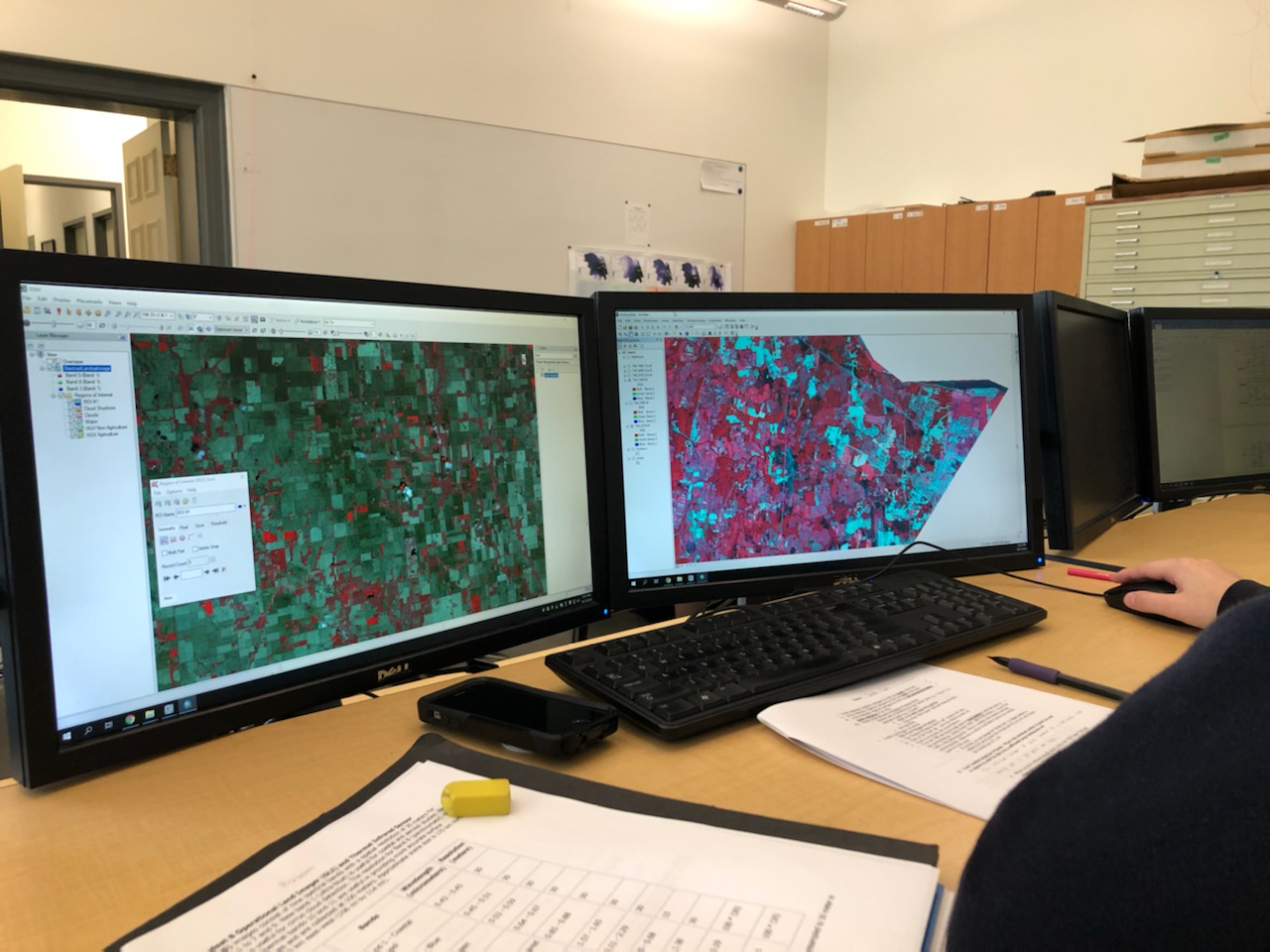
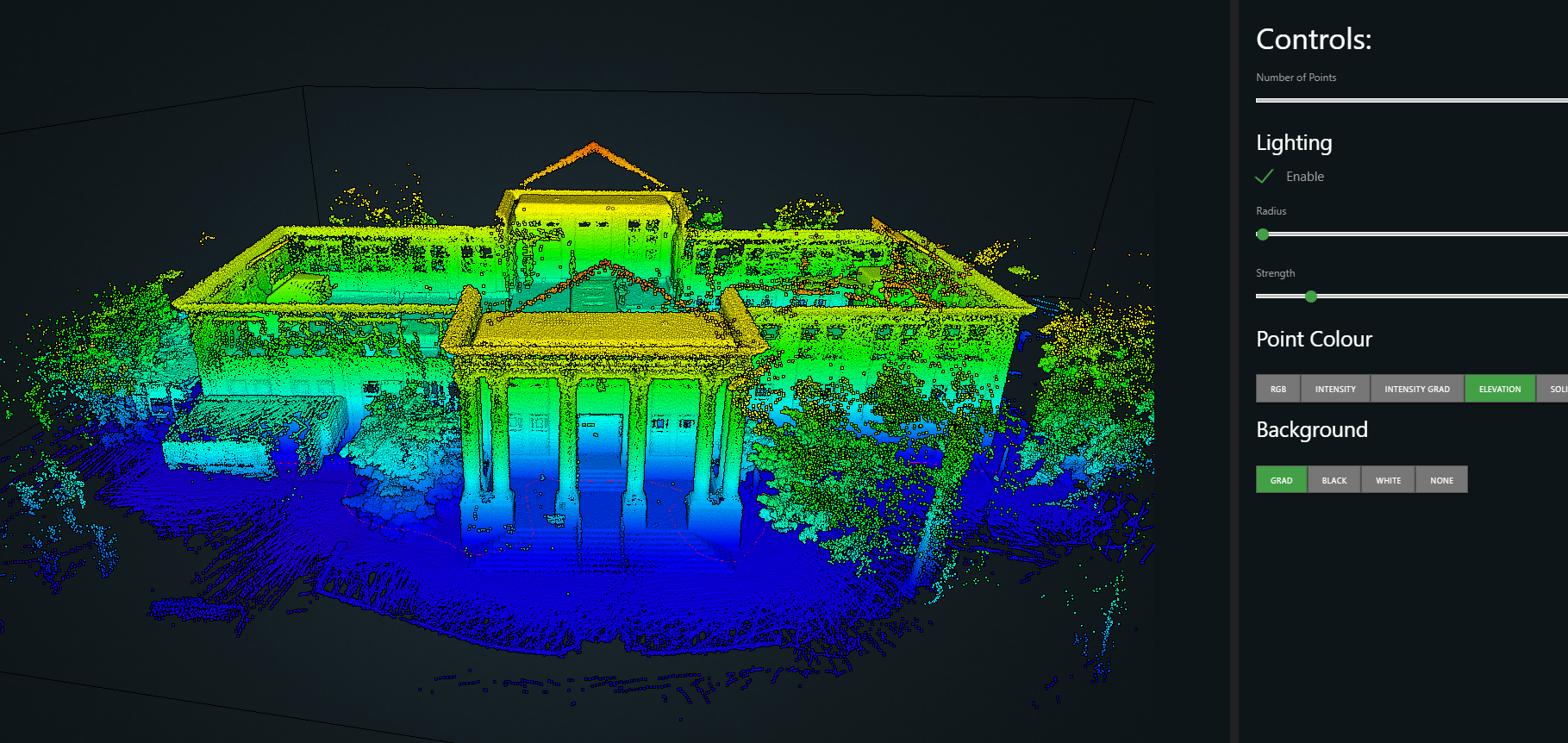
Collect, organize, and analyze data that explains where things were, are, or could be. Build a deep understanding of a spatial dataset, model relationships with environmental conditions, predict future changes. Visualize your results in a GIS, a map, a 3-D animation, or a web app. Geospatial analysis is one of the most important majors you’ve never heard of!

Areas of Study

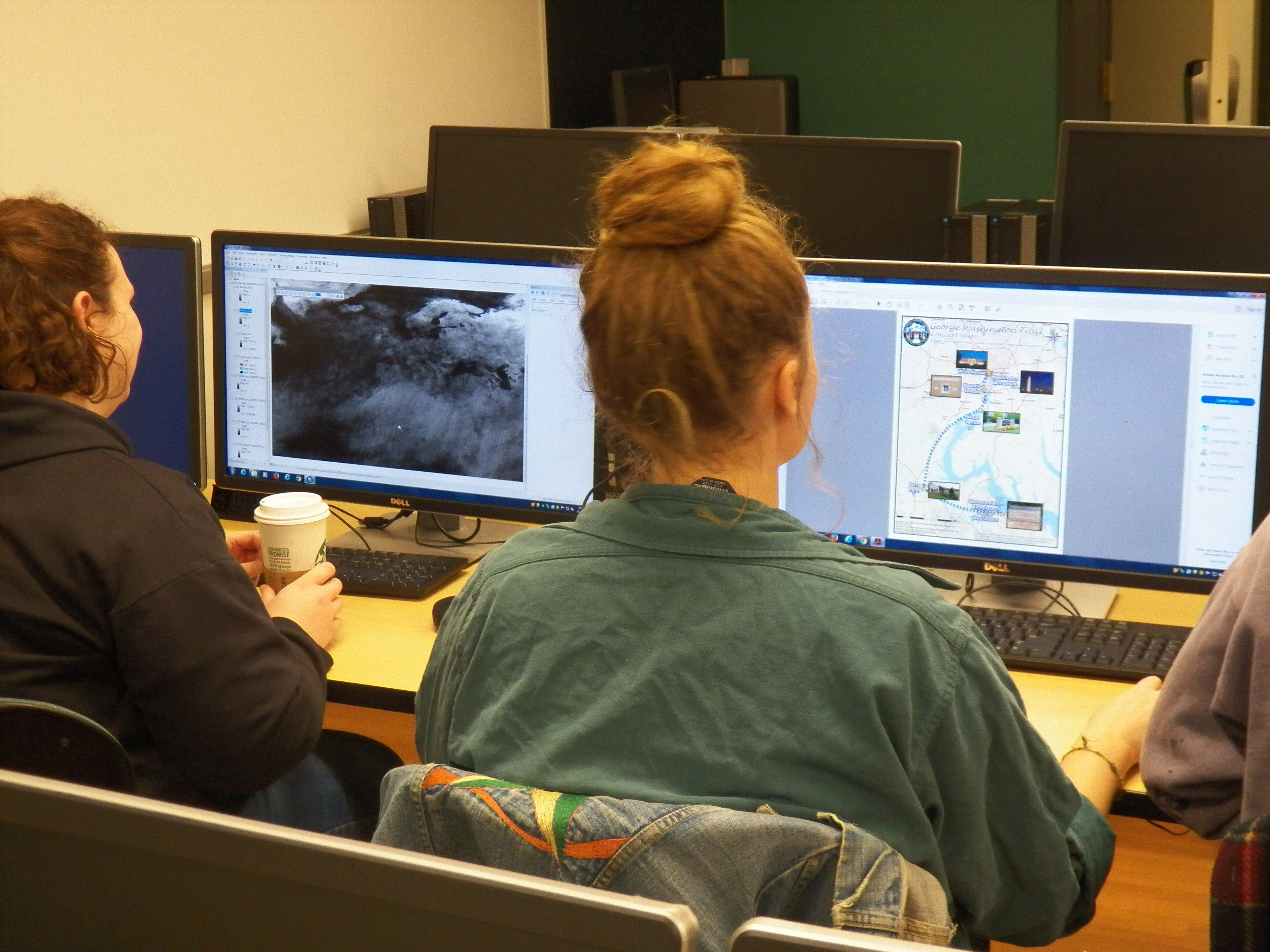
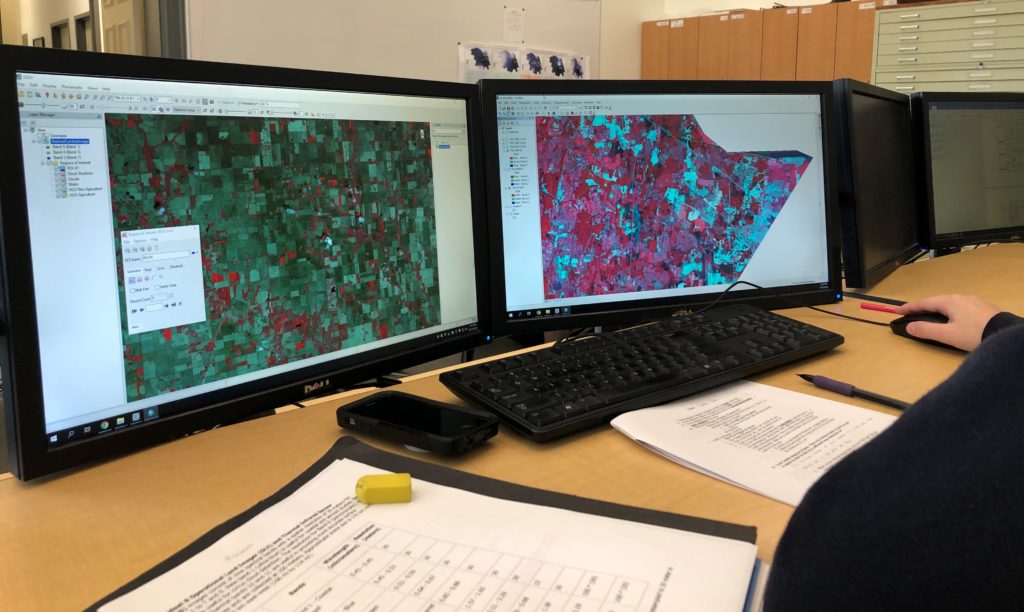
Spatial information is used every day by ordinary people, in Google Maps, Waze, tracking a flight, or tagging a photo. An abundance of geospatial data is collected by government agencies, non-profits and private companies. Much of it is freely available and can be used to explore and analyze geospatial questions. Geospatial analysis majors are interested in geography, information technology, visualization, and problem-solving. They use satellite and air-photo data, spatial statistics, the global positioning system, and GIS programming. Students tailor their interests to one or more areas in geography, such as planning, economic development, or environmental studies. Majors are also encouraged to engage in internships, study abroad programs, and undergraduate research.

How can I learn outside of class?

Students commonly intern with local governments, in departments focused on GIS, planning or utilities. Many UMW students hold internships with the National Geospatial Intelligence Agency (NGA) or its contractors, as well as with ESRI, the company producing software used in our teaching program. State and federal agencies, branches of the military, and non-profit organizations also use GIS and regularly host interns. Research projects with faculty are common, involving field mapping, production of online and printed maps and story maps.

What can I do with a degree in geospatial analysis?

The University of Mary Washington is located near the largest job market in the US for geospatial careers. Employers include federal intelligence and environmental agencies, state environmental and conservation bodies, and organizations focused on planning, sustainability, and the development of GIS software. Alumni of the Department of Geography at UMW can be found at all levels and regularly mentor current students.

To graduate with departmental honors, you must be a declared geography major by the beginning of your senior year. You must have a grade-point average of 3.5 in major courses and a 3.0 grade point average overall at the beginning of the second semester of your senior year. In consultation with an advisor, you’ll propose, research, and write a thesis. You’ll defend it before a committee, which determines whether it merits departmental honors.

Students completing a major in geospatial analysis earn the degree of Bachelor of Arts (B.A.) in geography. The major requires at least 41 credits, including core and foundation courses, one course from each of three areas for breadth in geography, plus three upper-level courses and a senior seminar.

To graduate with departmental honors, you must be a declared geography major by the beginning of your senior year. You must have a grade-point average of 3.5 in major courses and a 3.0 grade point average overall at the beginning of the second semester of your senior year. In consultation with an advisor, you’ll propose, research, and write a thesis. You’ll defend it before a committee, which determines whether it merits departmental honors.

Classics

Majors, Minors & Areas of Study

Classics

To understand today’s world, look back – way back.

The ideas of ancient Greece, Rome, and Egypt still resonate throughout modern life. Study the languages, literatures, arts, and civilizations of the ancients to gain a deeper understanding of today’s multicultural world. You’ll gain critical thinking and communications skills that open up careers – in education, museums, translation, archaeology, law and more.

Degree Awarded

Students majoring in Classics who complete all requirements earn the degree of Bachelor of Arts (B.A.) in Classics.

Areas of Study

Students can major in one or more of four different concentrations in Classics: Classical Archaeology, Classical Civilization, Classics: Ancient Mediterranean Studies, and Classics: Latin.

Major in Latin at UMW and you’ll choose from courses including elementary, intermediate, and advanced Latin language; survey courses in Latin literature; Roman drama; lyric and elegiac poetry; the writings of Roman historians; the works of Vergil, Horace, and Ovid; Roman philosophical thought; Roman satire; and more.

Classics offerings include Greek and Roman ideas and culture; Greek and Roman mythology in art and literature; the dramas of Aeschylus, Sophocles, and Euripides; epic traditions; Greek and Roman religion; Egyptian and Near Eastern art and archaeology; women in antiquity; the ancient city; and Greek and Roman archaeology.

Career Opportunities

A background in Latin or classics gives graduates a wide range of opportunities after college, including museum work, archaeology, graduate study, teaching, and translating. A classics major is also excellent preparation for the LSAT and law school.

Internships

Latin and classics majors have opportunities to conduct research and present their findings, to seek for-credit or paid internships, and to study abroad.

To earn honors in classics, you’ll need a GPA of at least 3.5 in the major and 3.2 overall. You’ll research, write, and defend a thesis and complete an exit interview.

Major Requirements

Students seeking a classics major can choose from concentrations in classical civilization (often paired with teaching licensure) or classical archaeology (preparation for museum or field work). Either concentration requires 33 credits in core and elective courses, including courses at the 300 level or higher.

Students seeking a Latin major will need 33 credits in core courses and electives, including at least 15 credits in Latin courses beyond the intermediate level and at least nine credits in approved courses relating to classical civilization.

Minor Requirements

Classics offers a museum studies minor, which requires 18 credits including core and elective courses.

Students who major in Latin and the classics can apply for several scholarships and awards through the Department of Classics, Philosophy, and Religion.